
Why Coventry Remembers: The Story Behind Remembrance Sunday
Every November Coventry falls silent. The Blitz of 14 November 1940 and the city's work for reconciliation give Remembrance Sunday particular meaning here.
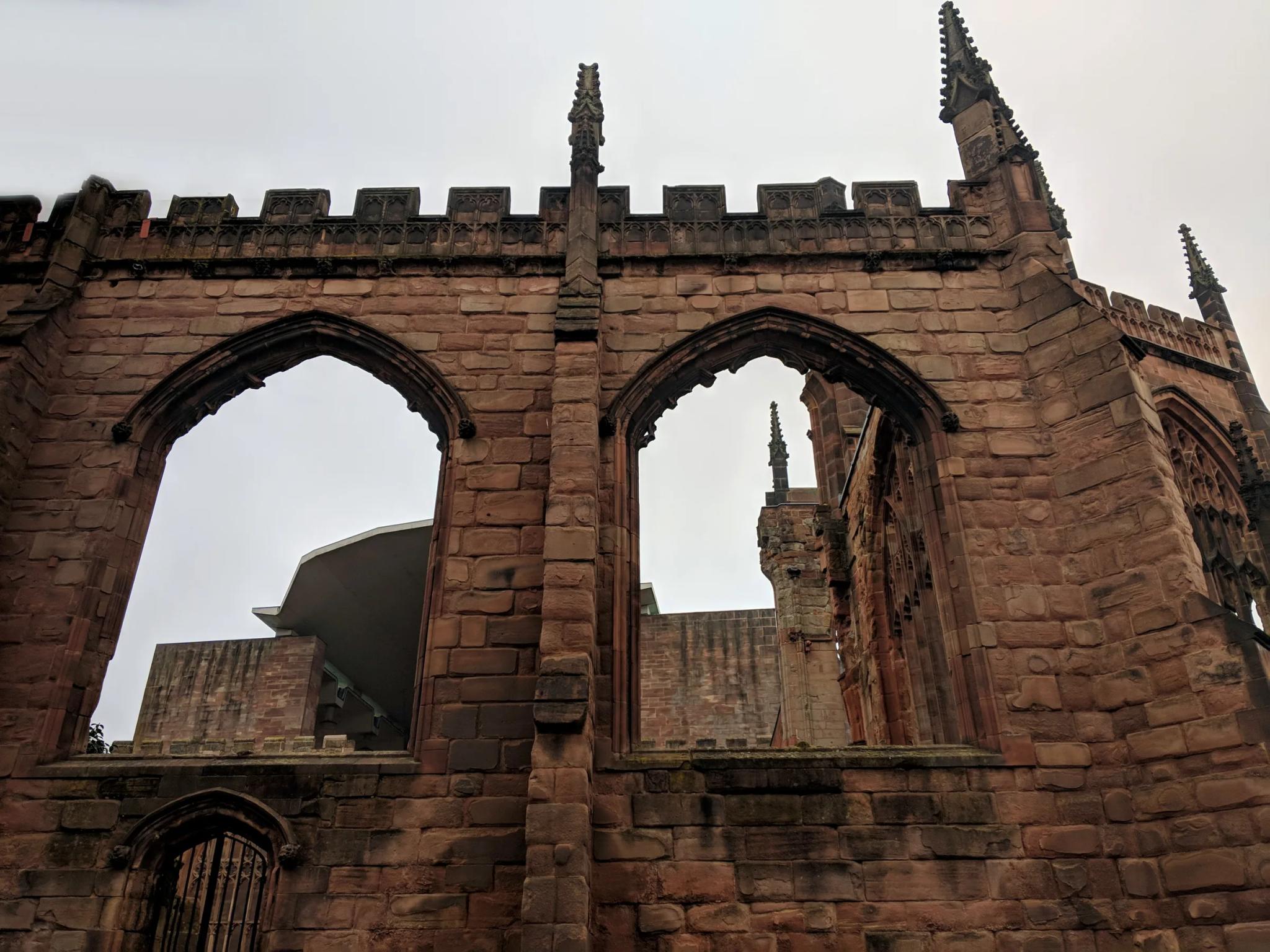
Every year on Remembrance Sunday, people across Coventry gather at the Cenotaph in War Memorial Park. Veterans, serving members of the armed forces, families and residents come together to remember those who died in war and conflict. At 11am the city falls silent for two minutes.
In Coventry, remembrance is closely tied to the city's own history.
The night that changed Coventry
On the night of 14 November 1940, German bombers attacked Coventry in one of the most destructive air raids on a British city during the Second World War. Homes, factories and much of the historic centre were destroyed, and the medieval cathedral of St Michael was burned out. Hundreds of people were killed, although published estimates of the death toll vary.
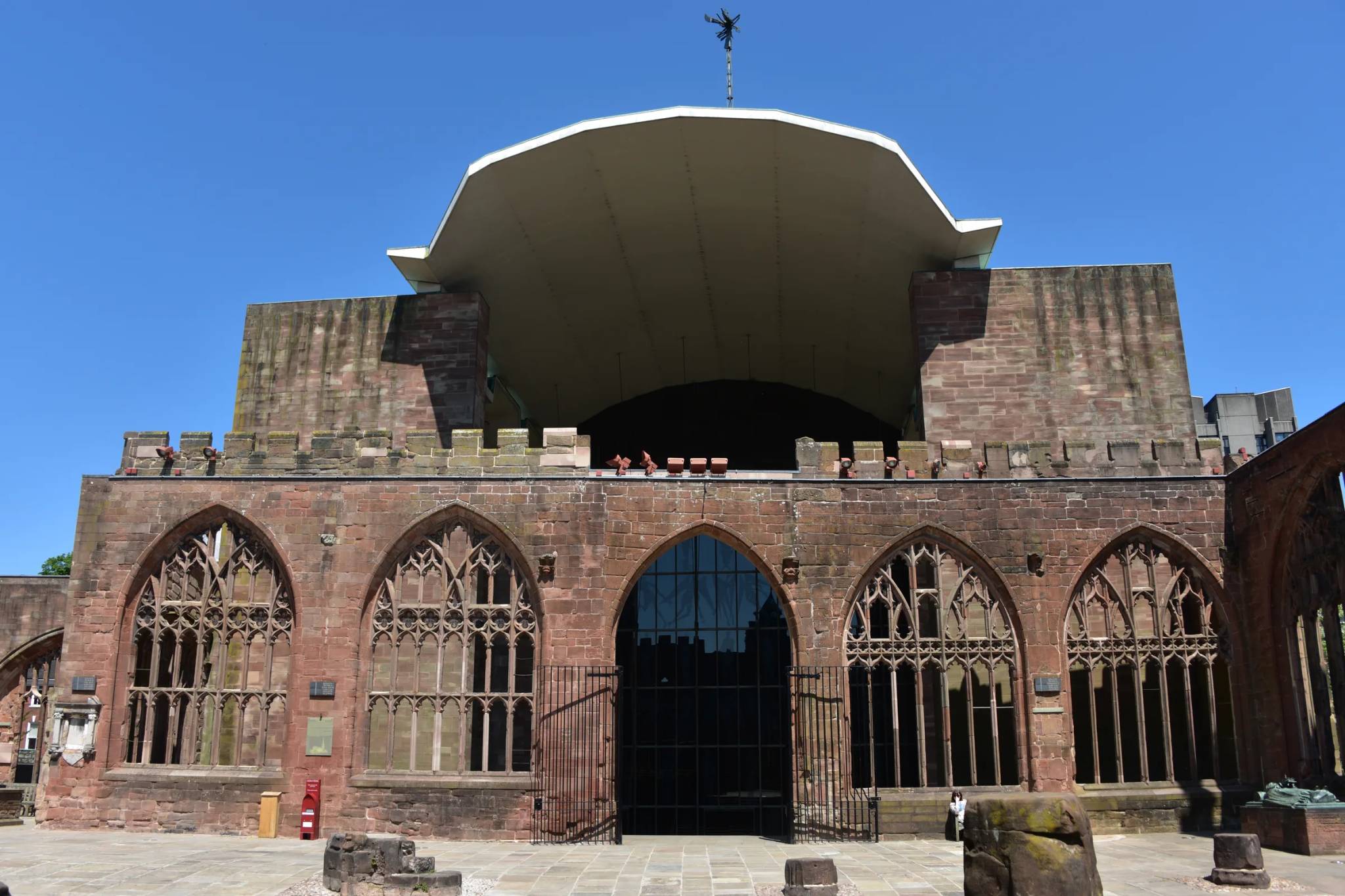
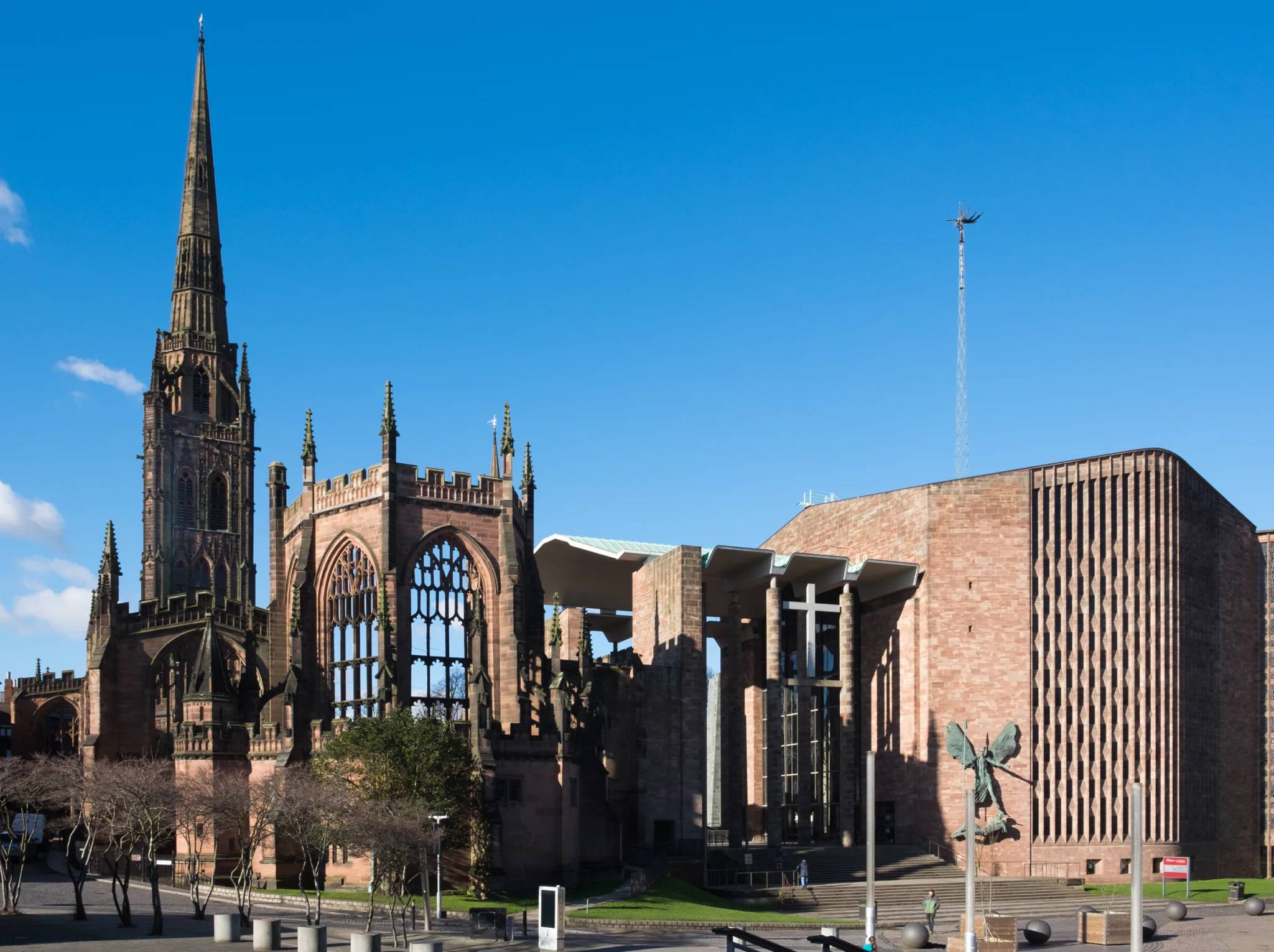
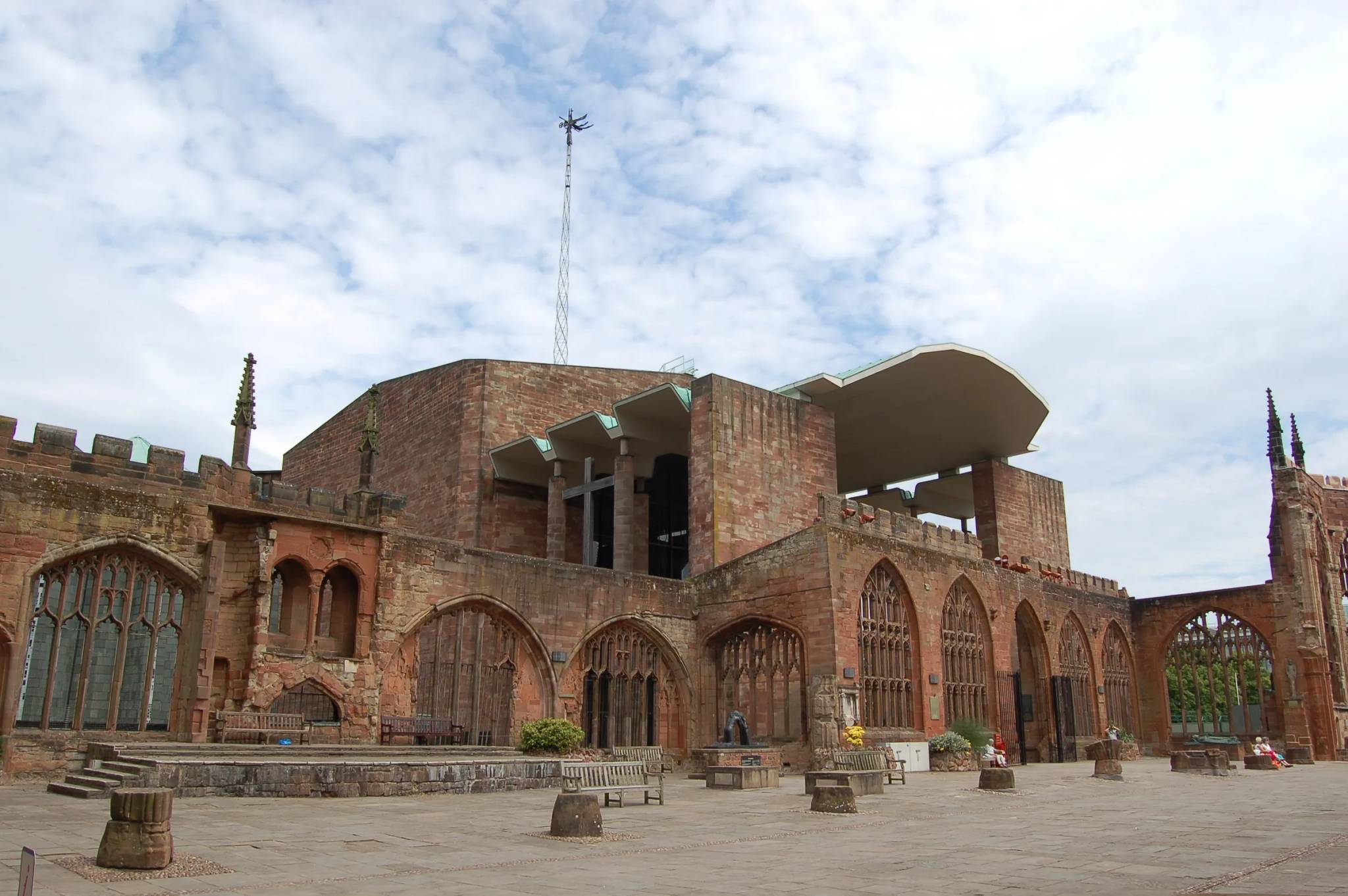
The ruins of the old cathedral were kept. The new cathedral, designed by Sir Basil Spence, was built beside them and consecrated in 1962.
A city that chose reconciliation
After the bombing, the cathedral's provost, Richard Howard, had the words "Father Forgive" inscribed on the wall behind the altar of the ruined building. A Cross of Nails, made from medieval roof nails salvaged from the rubble, became a symbol of the cathedral's work for peace and reconciliation. That work has since connected Coventry with communities around the world, including in Germany.
This history is one reason Remembrance Sunday carries particular weight here. It is a moment to remember the dead and to reflect on the human cost of conflict.
The silence and the poppy
The two-minute silence at 11am marks the moment the armistice that ended the fighting on the Western Front came into effect, at 11am on 11 November 1918.
The red poppy, which grew on the battlefields of Flanders, became a symbol of remembrance after the First World War. Many people wear one in the weeks before Remembrance Sunday; others remember in their own way.
How Coventry remembers
Coventry City Council organises the city's Remembrance Sunday parade and service. The parade makes its way into War Memorial Park, and the service at the Cenotaph is open to the public. It is attended by the Lord Mayor of Coventry, the Bishop of Coventry, and serving and former members of the armed forces.
In the afternoon, the annual Communal Grave Service at London Road Cemetery remembers the civilians and volunteers who died in the Coventry Blitz. It is held at the Civilian Monument in the Garden of Remembrance.
Times and arrangements change from year to year, so check the council's remembrance pages for the current programme.
Remembrance for the next generation
More than 80 years after the Blitz, fewer people have direct memories of the Second World War. The cathedral ruins, the Cenotaph and memorials across the city keep that history in view for younger residents.
You do not need a personal connection to the armed forces to take part. Attending a service, wearing a poppy or simply observing the silence are all ways to join in.
Sources
- Coventry City Council: Remembrance(opens in a new tab)
- Coventry City Council: Remembrance Sunday service and parade(opens in a new tab)
- Coventry City Council: Coventry Blitz commemorations(opens in a new tab)
- Imperial War Museums: The Blitz around Britain(opens in a new tab)
- Wikipedia: Coventry Cathedral(opens in a new tab)
- Remembrance
- Coventry Blitz
- War Memorial Park
- Coventry Cathedral
- Civic heritage
From this story
Places & events mentioned
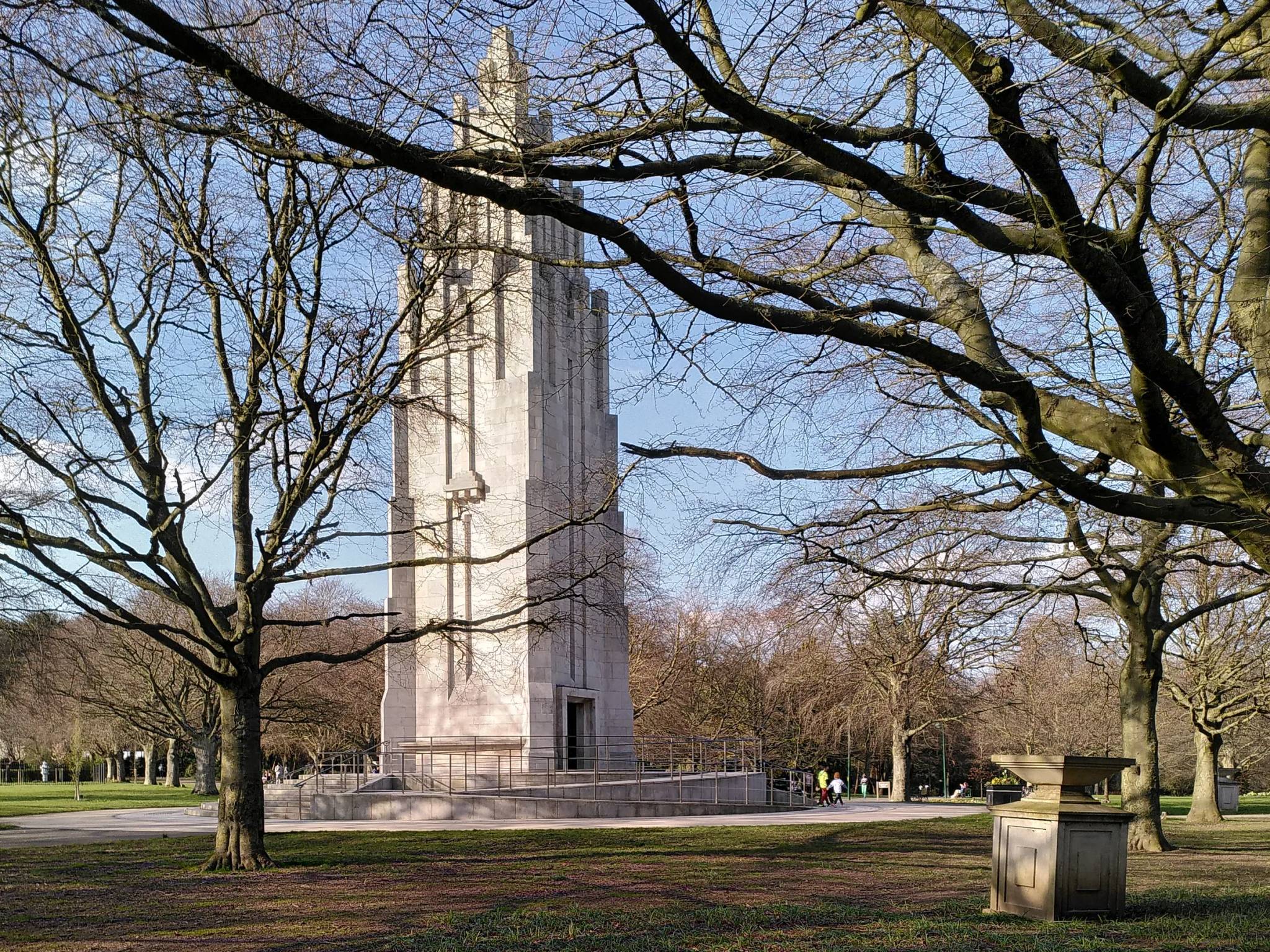
War Memorial Park
Coventry's memorial park off Kenilworth Road, created after the First World War, with the city's war memorial at its heart.
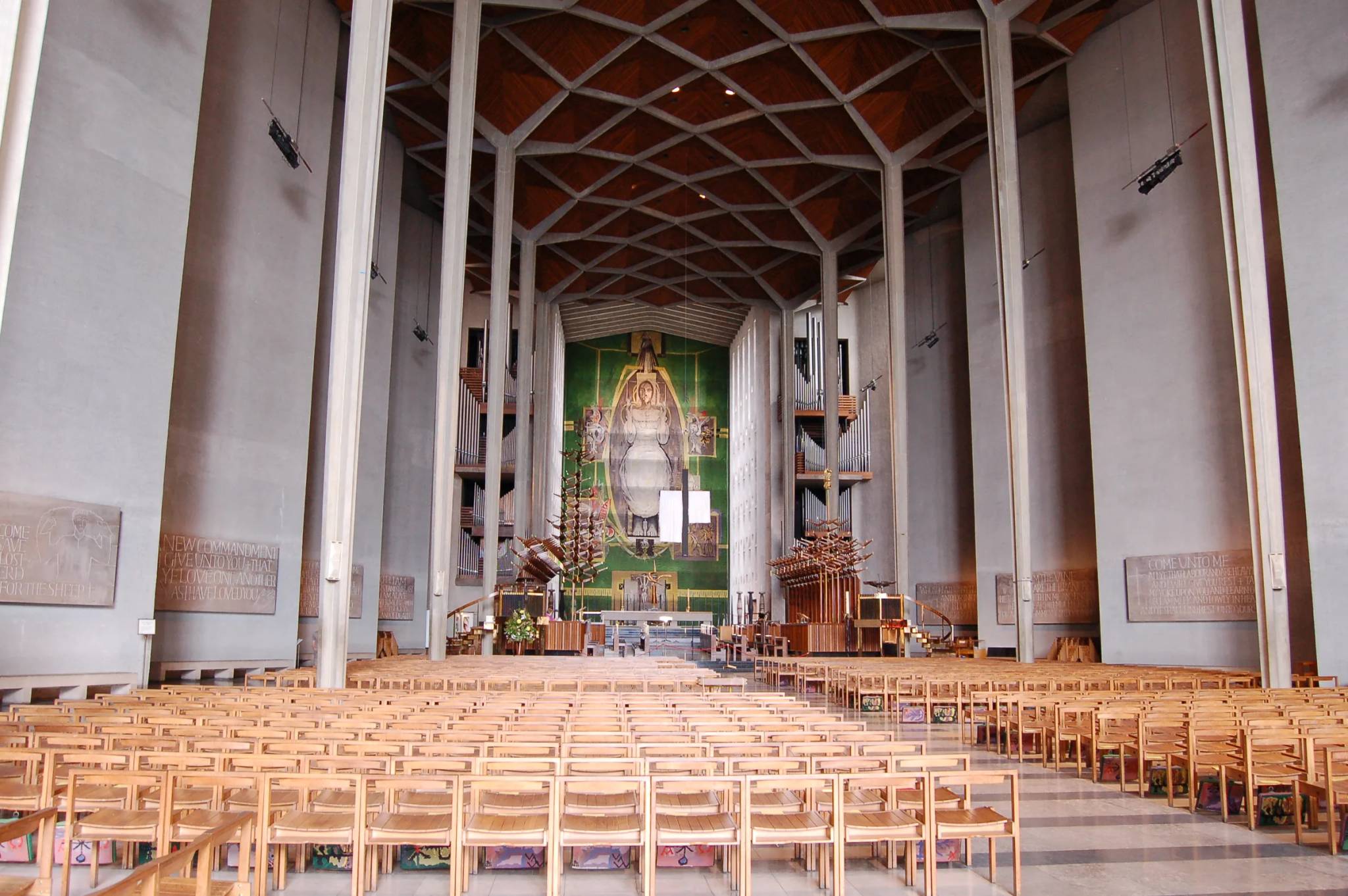
Coventry Cathedral
The ruins of medieval St Michael's, destroyed in the Blitz in 1940, stand beside Sir Basil Spence's cathedral, consecrated in 1962.
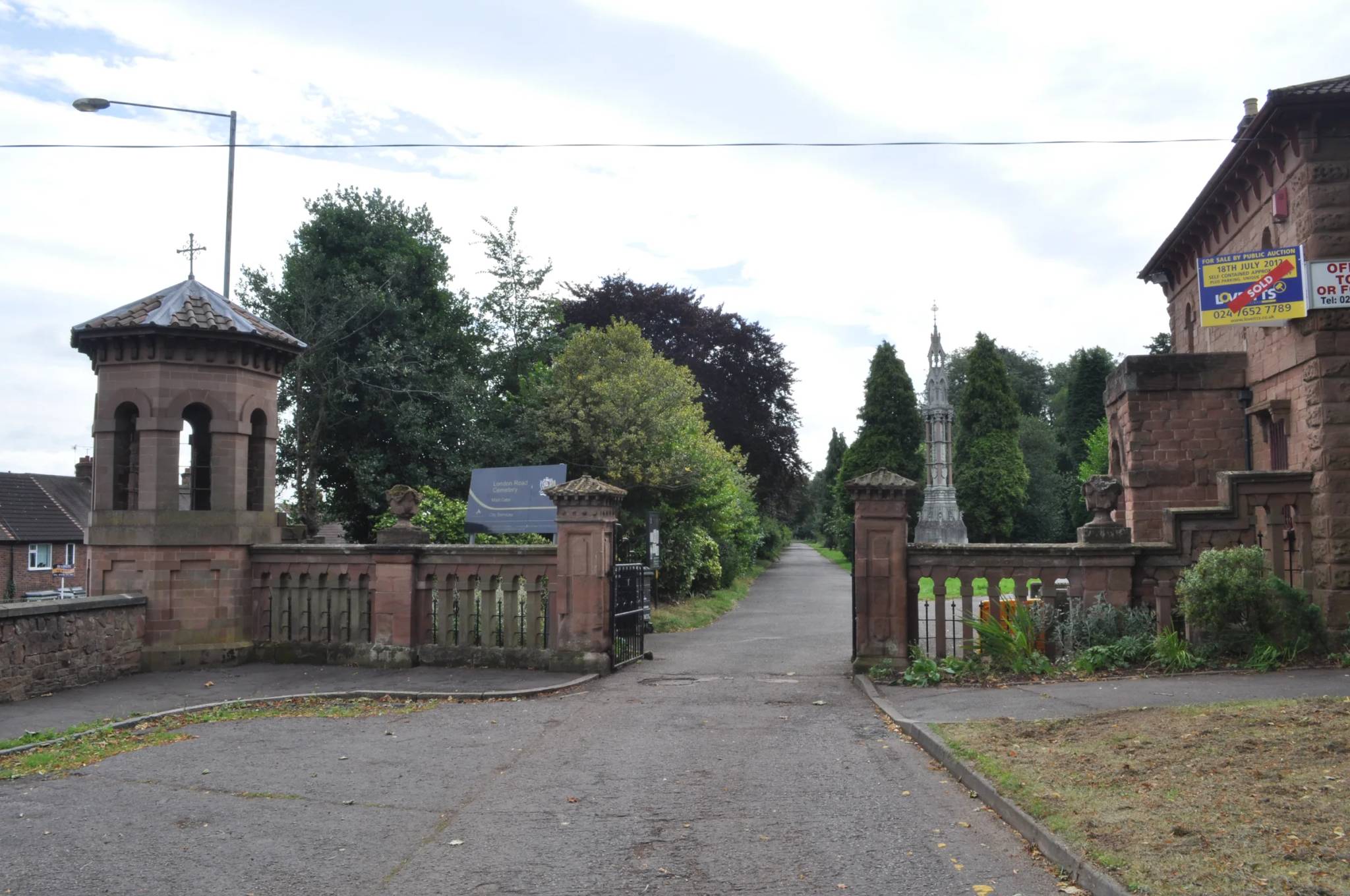
London Road Cemetery
A Victorian cemetery designed by Sir Joseph Paxton, registered at Grade I as a historic park and landscape.
Explore it with a guide
5 places
Coventry's Historic Heart
Explore Coventry's cathedral quarter, medieval streets and historic buildings through the places that tell the city's story.
5 places
5 Free Things to Do in Coventry
A cathedral, two great parks, a medieval street and a contemporary art gallery: five Coventry days out that cost nothing to get in, with honest notes on parking and extras.
Keep reading
Two cathedrals, one story: how Coventry built its future beside its ruins
On the night of 14 November 1940 the medieval cathedral burned. What Coventry chose to do next still shapes how the city sees itself.
The city that twinned first: Coventry and the birth of modern twinning
In 1944 Coventry and Stalingrad formalised a wartime bond. The link helped inspire the modern idea of town twinning, and it is still visible in the city today.

Coventry charity appeals for blankets and £2,000 ahead of Ukraine aid mission
Feed The Hungry is collecting new blankets, coats and winter essentials at its Binley base until 30 November, and needs £2,000 to drive them 1,800 miles to Ukraine on 7 December.