
Two cathedrals, one story: how Coventry built its future beside its ruins
On the night of 14 November 1940 the medieval cathedral burned. What Coventry chose to do next still shapes how the city sees itself.
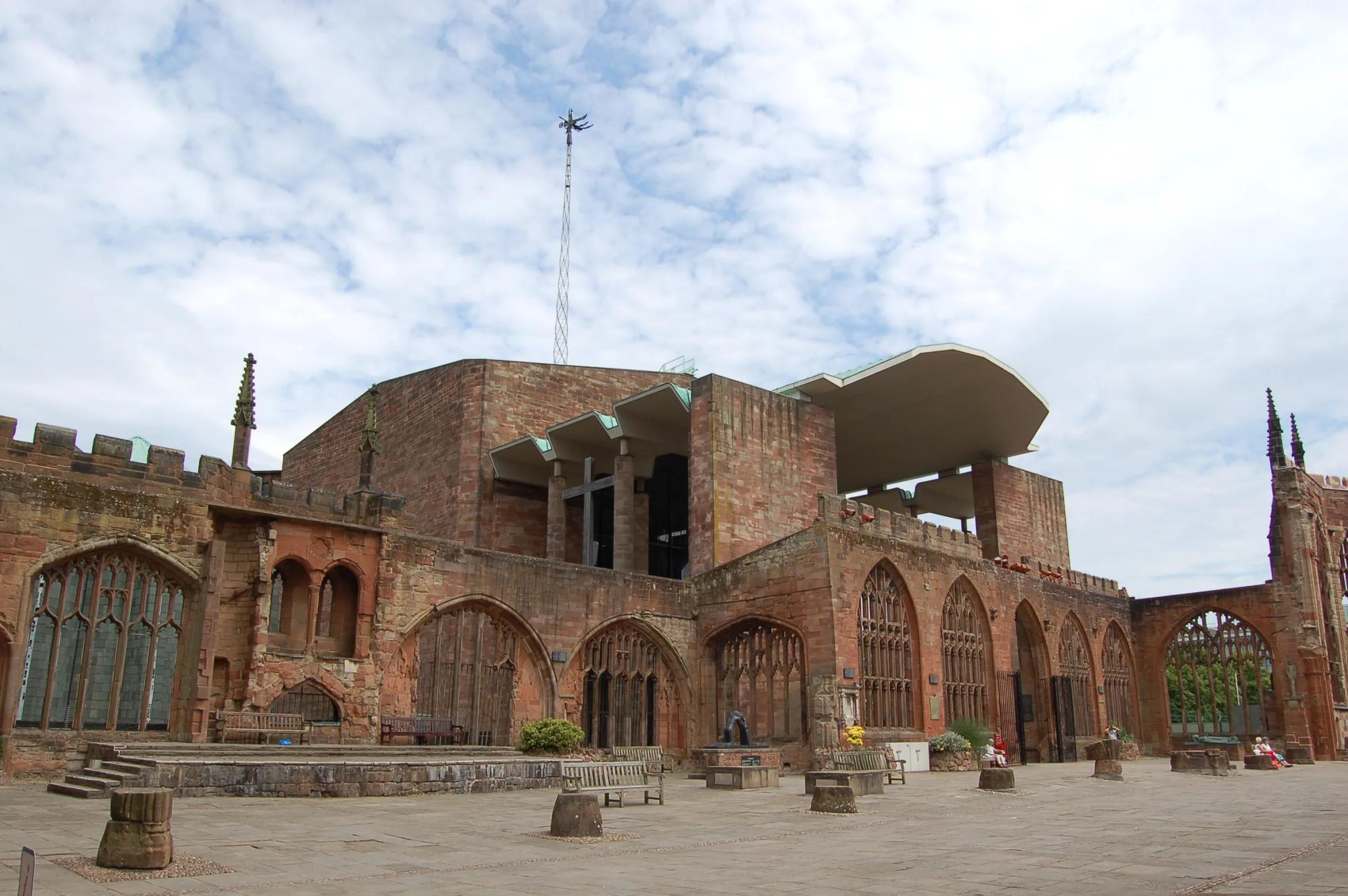
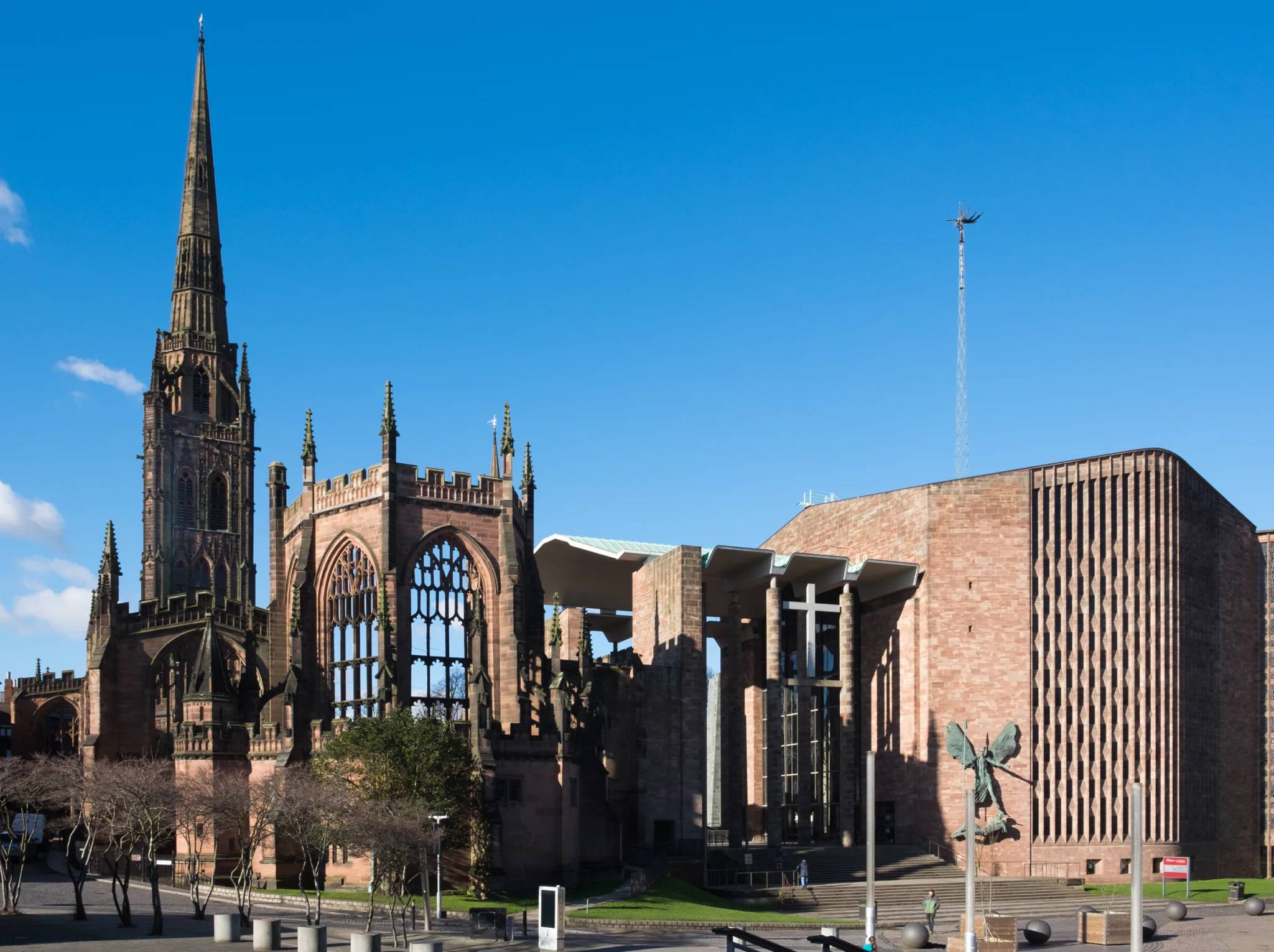
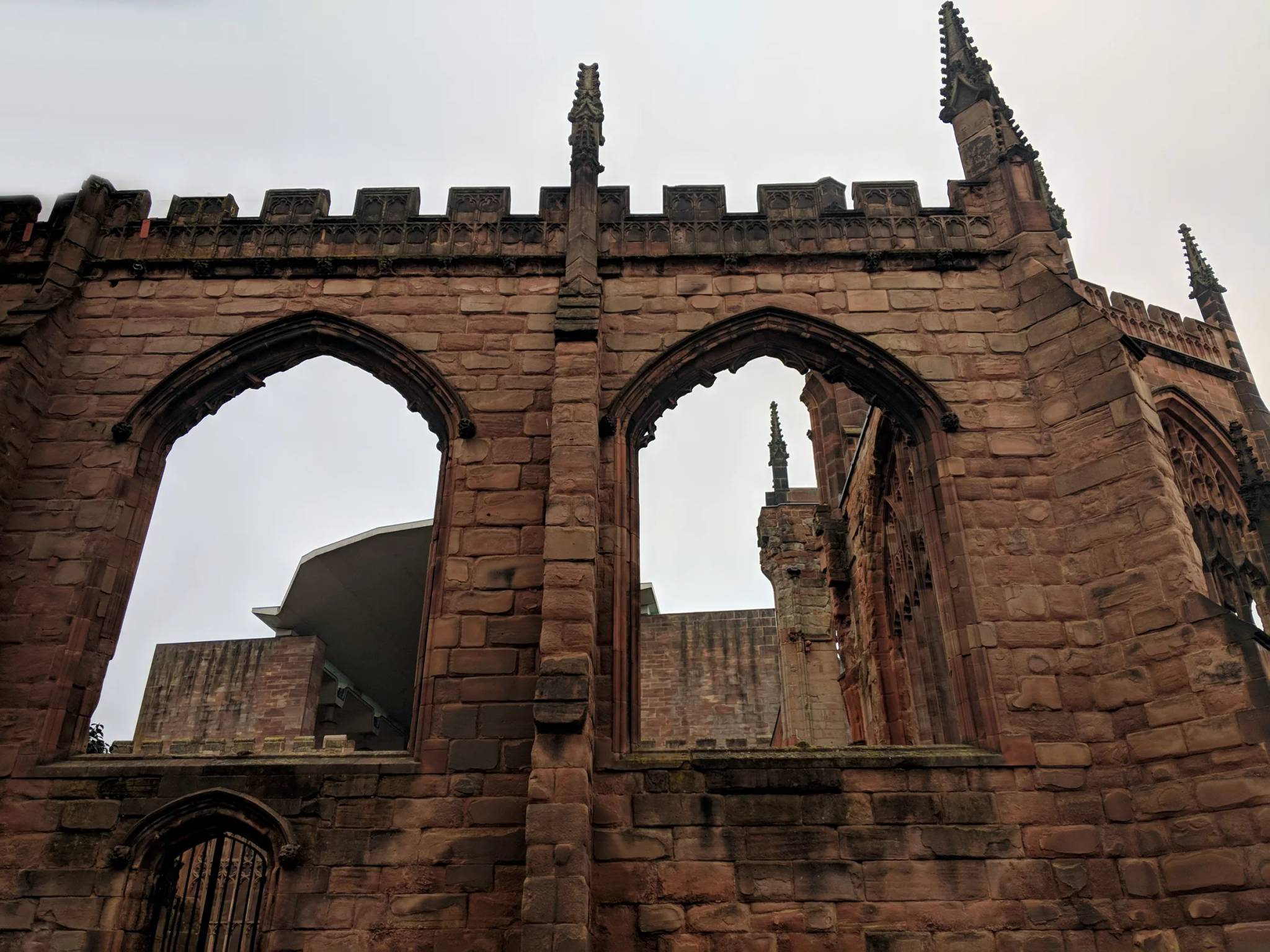
Stand in the ruins of St Michael's on a quiet morning and it is hard to imagine the night that made them. On 14 November 1940 a sustained air raid left much of Coventry's medieval centre in flames. By the following morning the cathedral was a shell: outer walls, empty window tracery and a tower and spire that still stood.
What happened next is the reason so many people come to Coventry today. Rather than clearing the site, the city kept the ruins. The cathedral stonemason, Jock Forbes, found two charred roof timbers lying in the shape of a cross and tied them together. The provost, Richard Howard, had the words "Father Forgive" inscribed on the wall behind the altar of the ruined building.
A new building that refuses to forget
The new cathedral, designed by Sir Basil Spence, was consecrated on 25 May 1962. It was built not on top of the old one but immediately beside it, and its great glass west screen links the new building with the ruins.
Inside, Graham Sutherland's vast tapestry, Christ in Glory, hangs on the east wall of the Lady Chapel and dominates the view from the entrance of the nave. John Piper's baptistery window fills one wall with colour. On the exterior, Jacob Epstein's bronze of St Michael standing over the defeated Devil is fixed to the east wall.
From the ruins, a message
A Cross of Nails, made from three medieval roof nails salvaged from the rubble, became the symbol of the cathedral's work for reconciliation. That work has connected Coventry with communities around the world, including in Germany.
For residents, the ruins are also simply part of daily life: a cut-through, a place to sit, and the backdrop to concerts and gatherings. That ordinariness is part of their power. History here is not behind glass; it is on the way to work.
Visiting
Allow time for both buildings. The Herbert Art Gallery & Museum nearby tells the wider story of the city before and after the war. Check the cathedral's own website for opening arrangements before you travel.
Sources
- Coventry Cathedral
- Coventry Blitz
- Reconciliation
- Architecture
From this story
Places & events mentioned
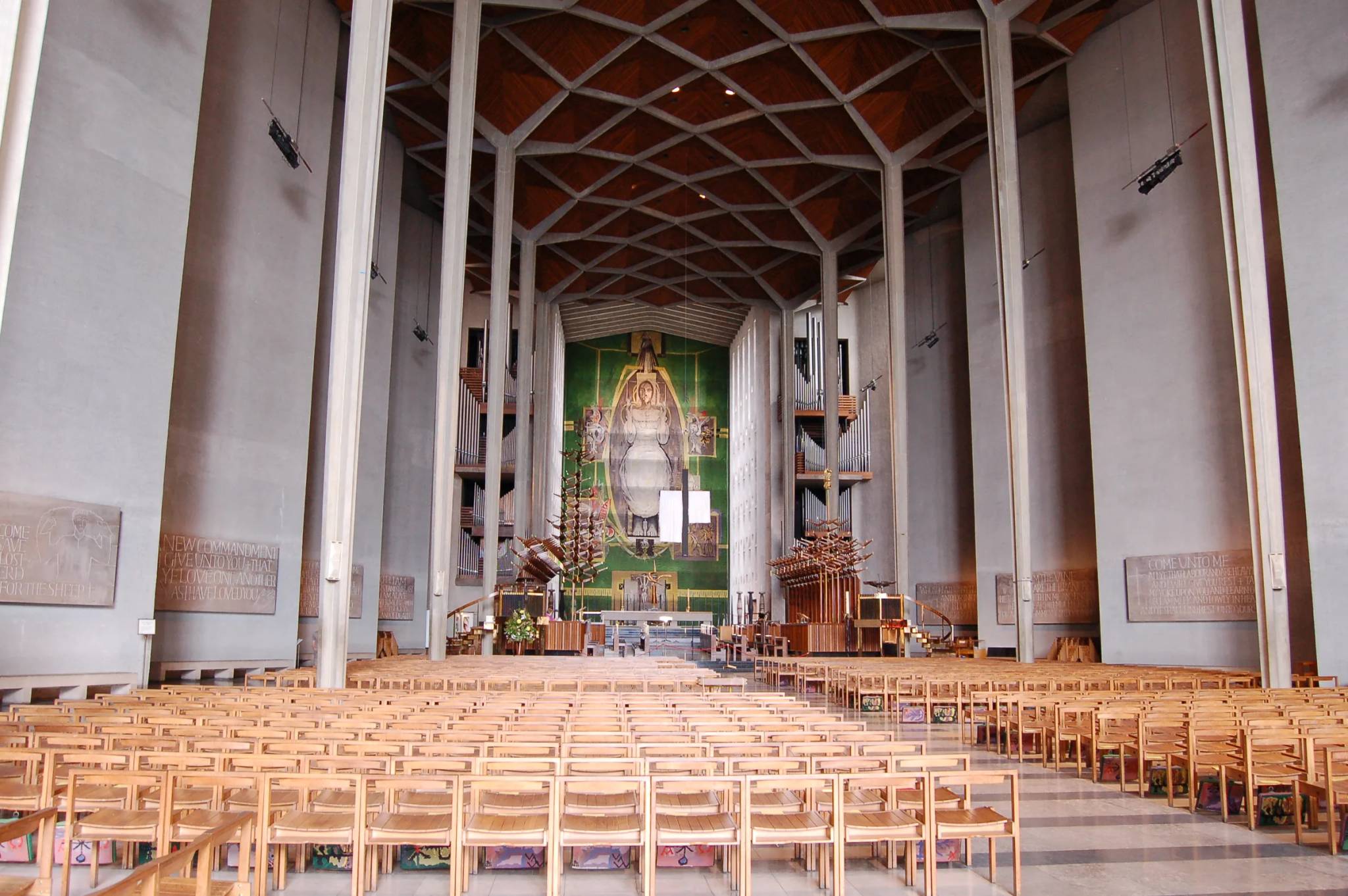
Coventry Cathedral
The ruins of medieval St Michael's, destroyed in the Blitz in 1940, stand beside Sir Basil Spence's cathedral, consecrated in 1962.
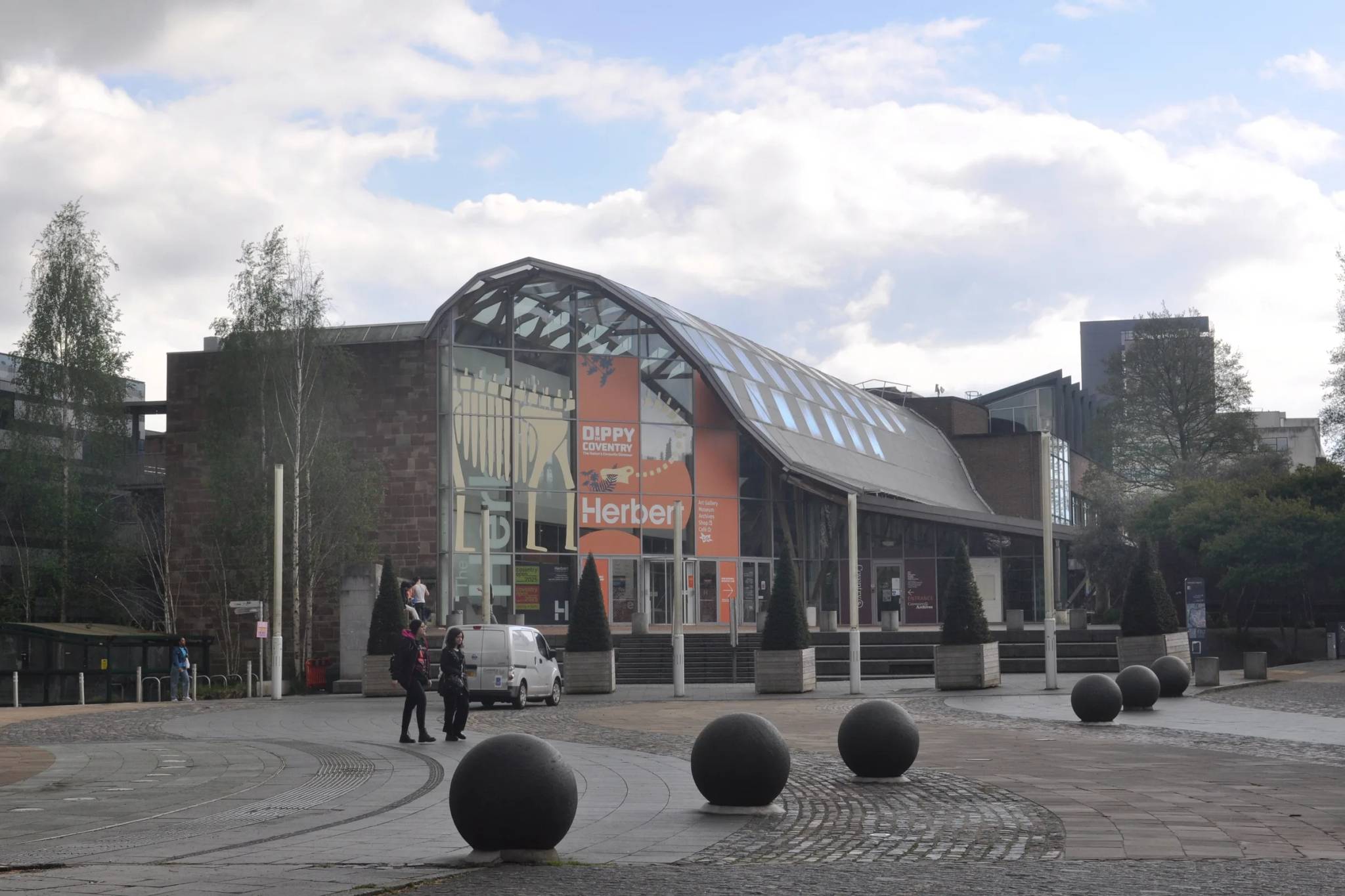
Herbert Art Gallery & Museum
Coventry's art gallery and museum in the cathedral quarter, opened in 1960 and named after the industrialist Sir Alfred Herbert.
Explore it with a guide
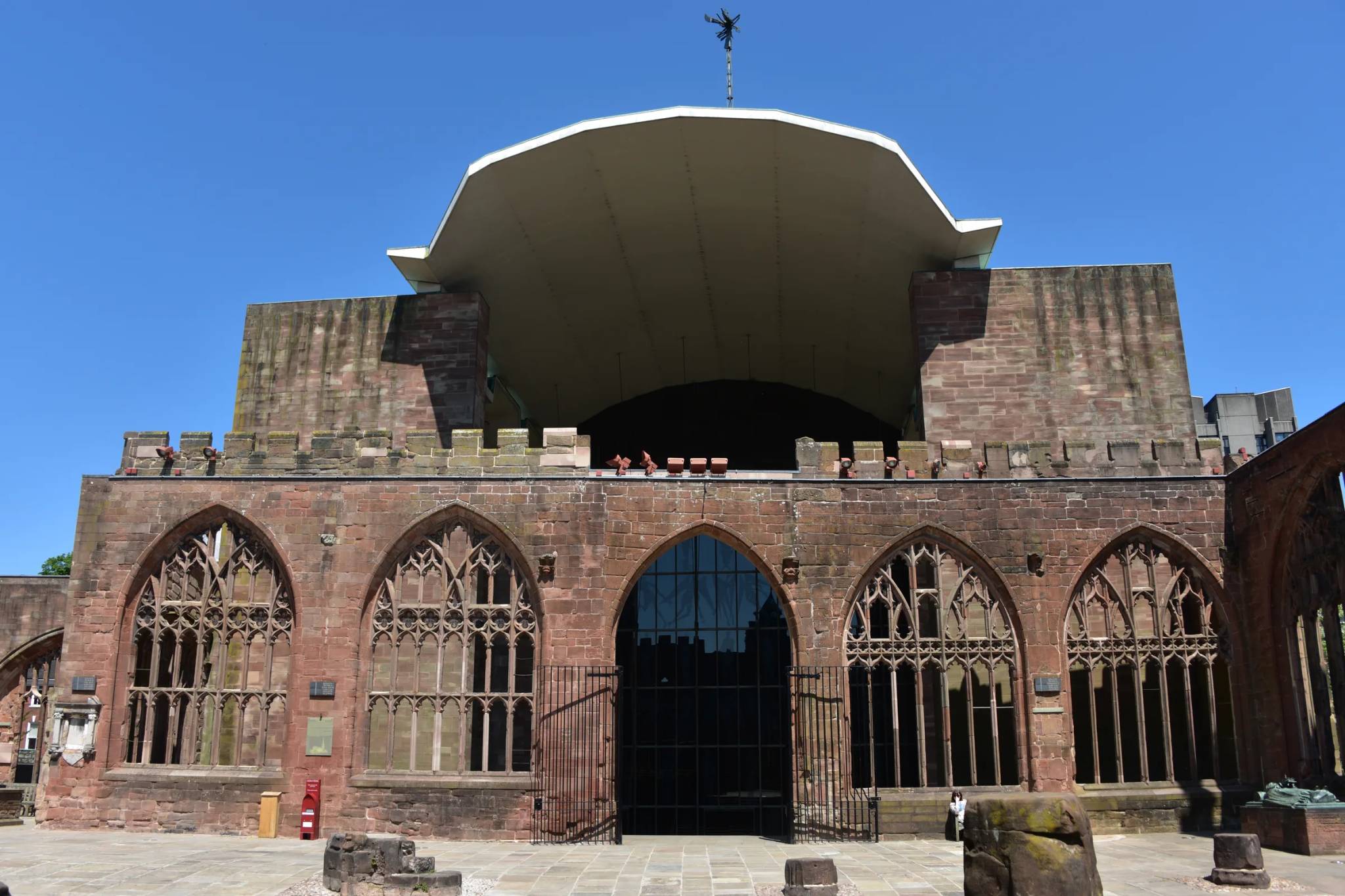
5 places
Coventry's Historic Heart
Explore Coventry's cathedral quarter, medieval streets and historic buildings through the places that tell the city's story.
5 places
5 Free Things to Do in Coventry
A cathedral, two great parks, a medieval street and a contemporary art gallery: five Coventry days out that cost nothing to get in, with honest notes on parking and extras.
Keep reading
Why Coventry Remembers: The Story Behind Remembrance Sunday
Every November Coventry falls silent. The Blitz of 14 November 1940 and the city's work for reconciliation give Remembrance Sunday particular meaning here.
The city that twinned first: Coventry and the birth of modern twinning
In 1944 Coventry and Stalingrad formalised a wartime bond. The link helped inspire the modern idea of town twinning, and it is still visible in the city today.
Lady Godiva and the story Coventry never stopped telling
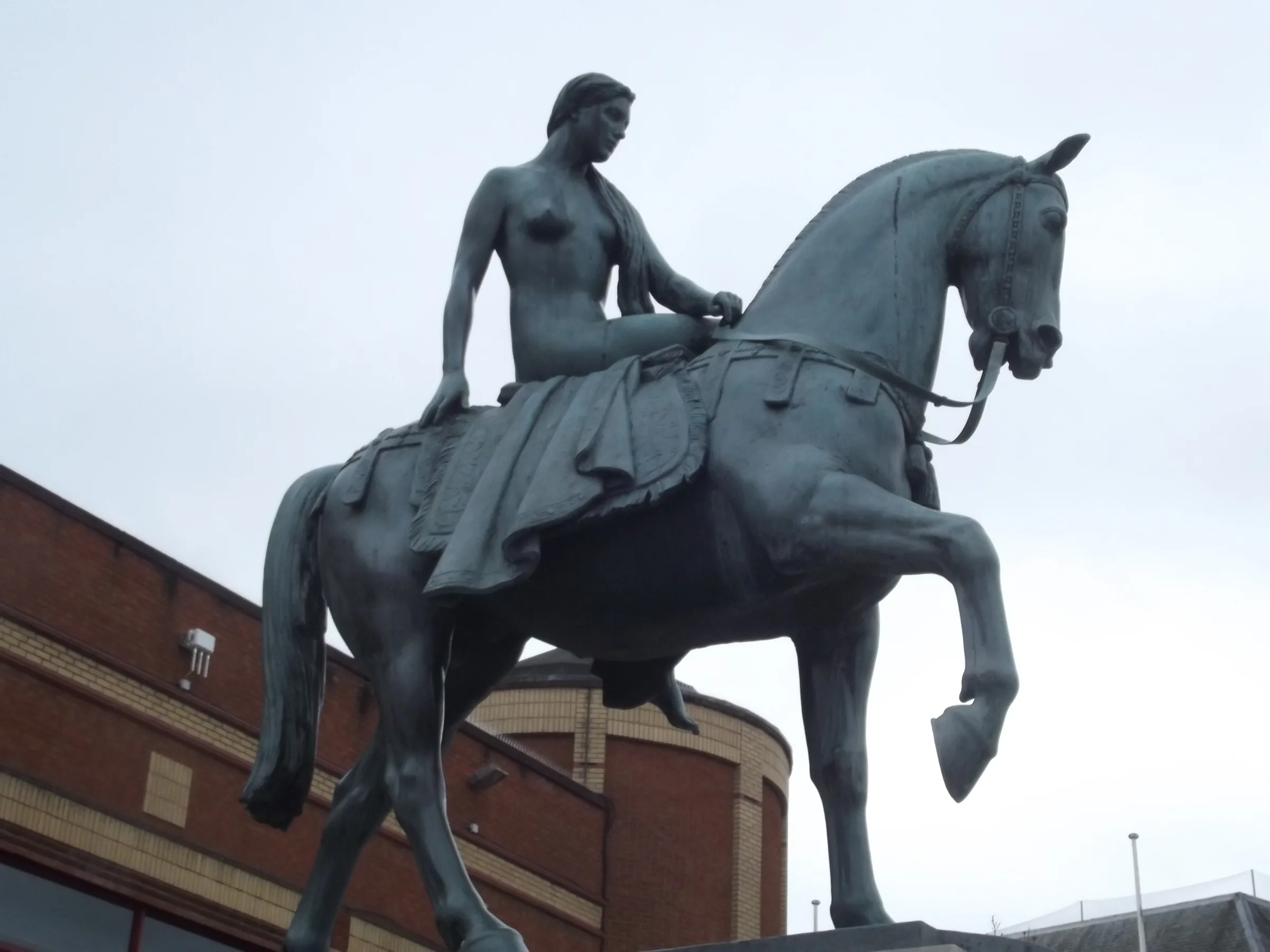
A real 11th-century noblewoman, a legend first written down 200 years later and a bronze statue in Broadgate: how Godiva became Coventry's best-known face.