
Culture
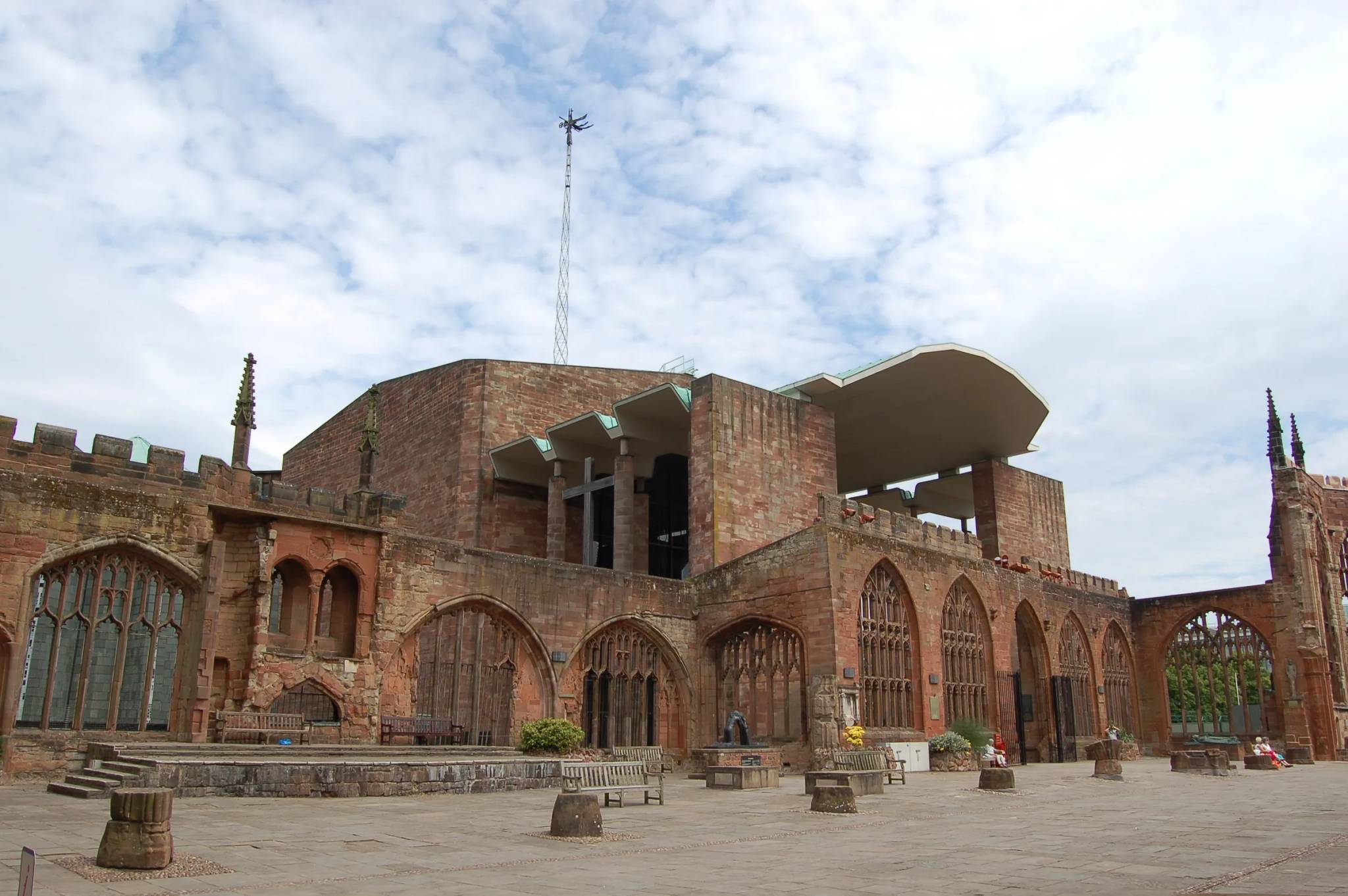
Two cathedrals, one story: how Coventry built its future beside its ruins
On the night of 14 November 1940 the medieval cathedral burned. What Coventry chose to do next still shapes how the city sees itself.
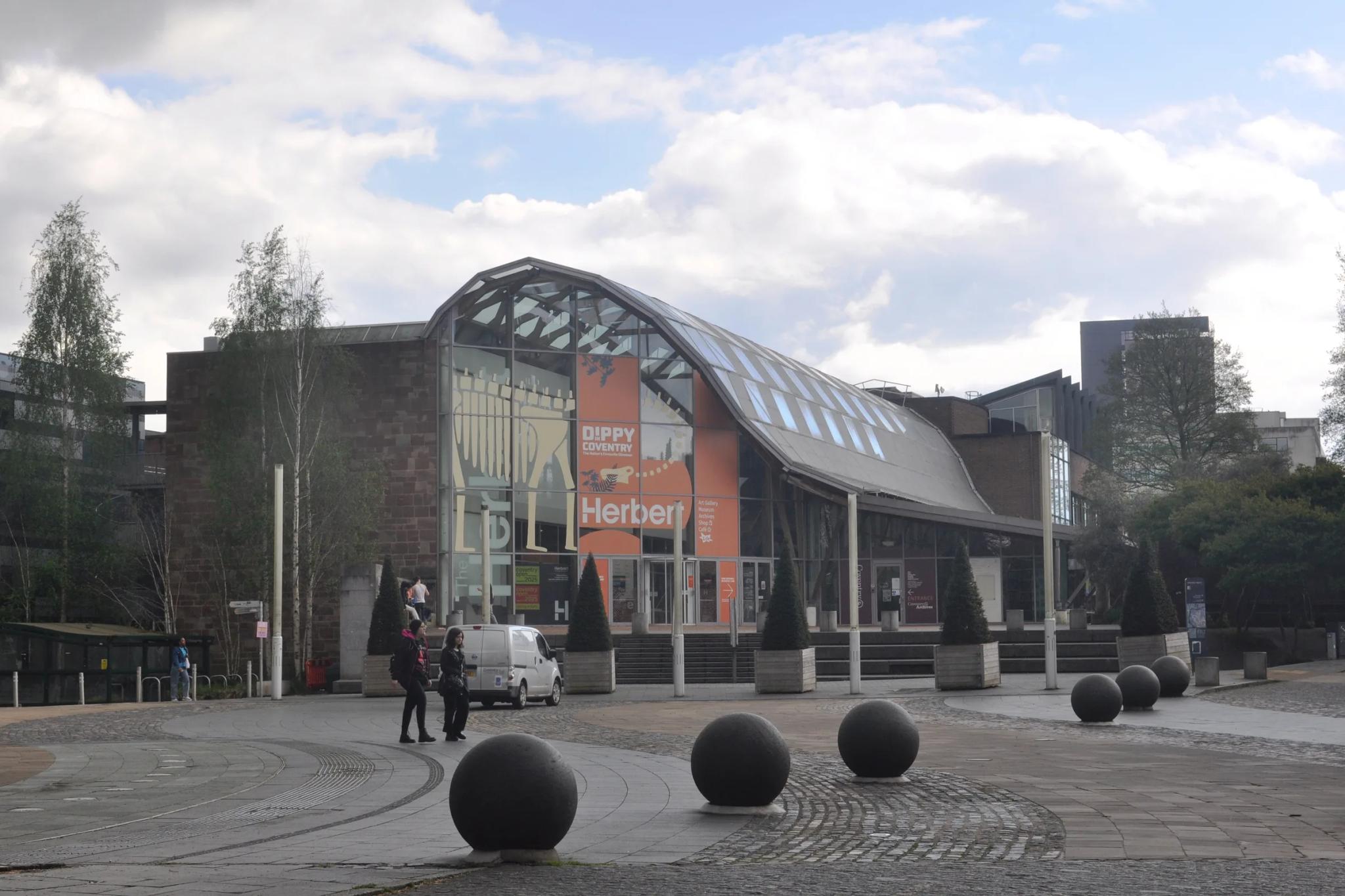
Coventry's art gallery and museum in the cathedral quarter, opened in 1960 and named after the industrialist Sir Alfred Herbert.
Details checked by Covlife on 12 November 2026. Photo: Hassocks5489 / Wikimedia Commons (CC0).
The Herbert Art Gallery & Museum opened in 1960. It is named after Sir Alfred Herbert, the machine-tool manufacturer who gave money to the city in 1938 for a gallery and museum on the site.
Its collections cover the history of Coventry, the natural world and visual art, alongside changing exhibitions. It sits on Jordan Well, a short walk from the cathedral ruins. Check the Herbert's website for current opening times and admission.
On the night of 14 November 1940 the medieval cathedral burned. What Coventry chose to do next still shapes how the city sees itself.
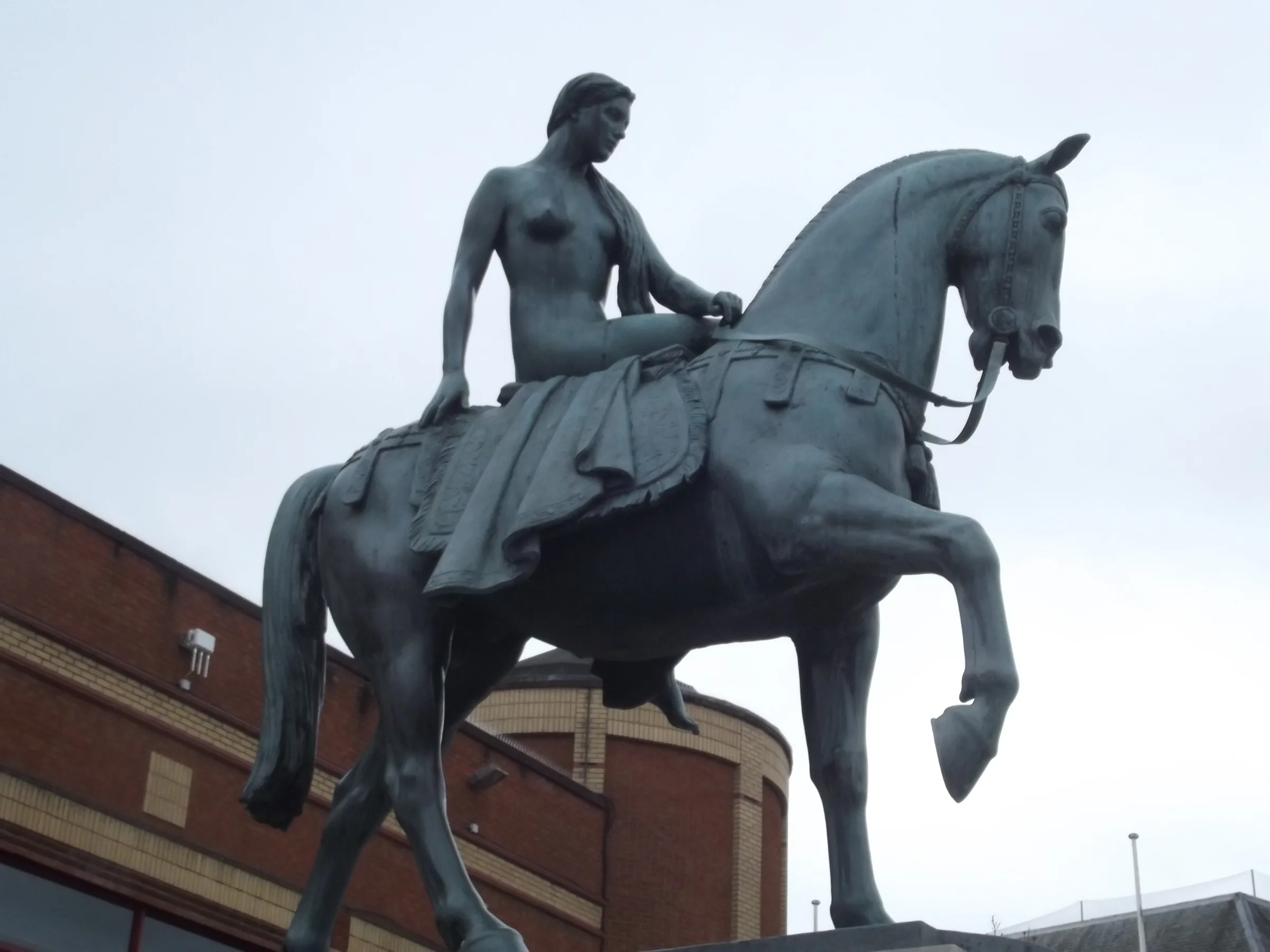
A real 11th-century noblewoman, a legend first written down 200 years later and a bronze statue in Broadgate: how Godiva became Coventry's best-known face.
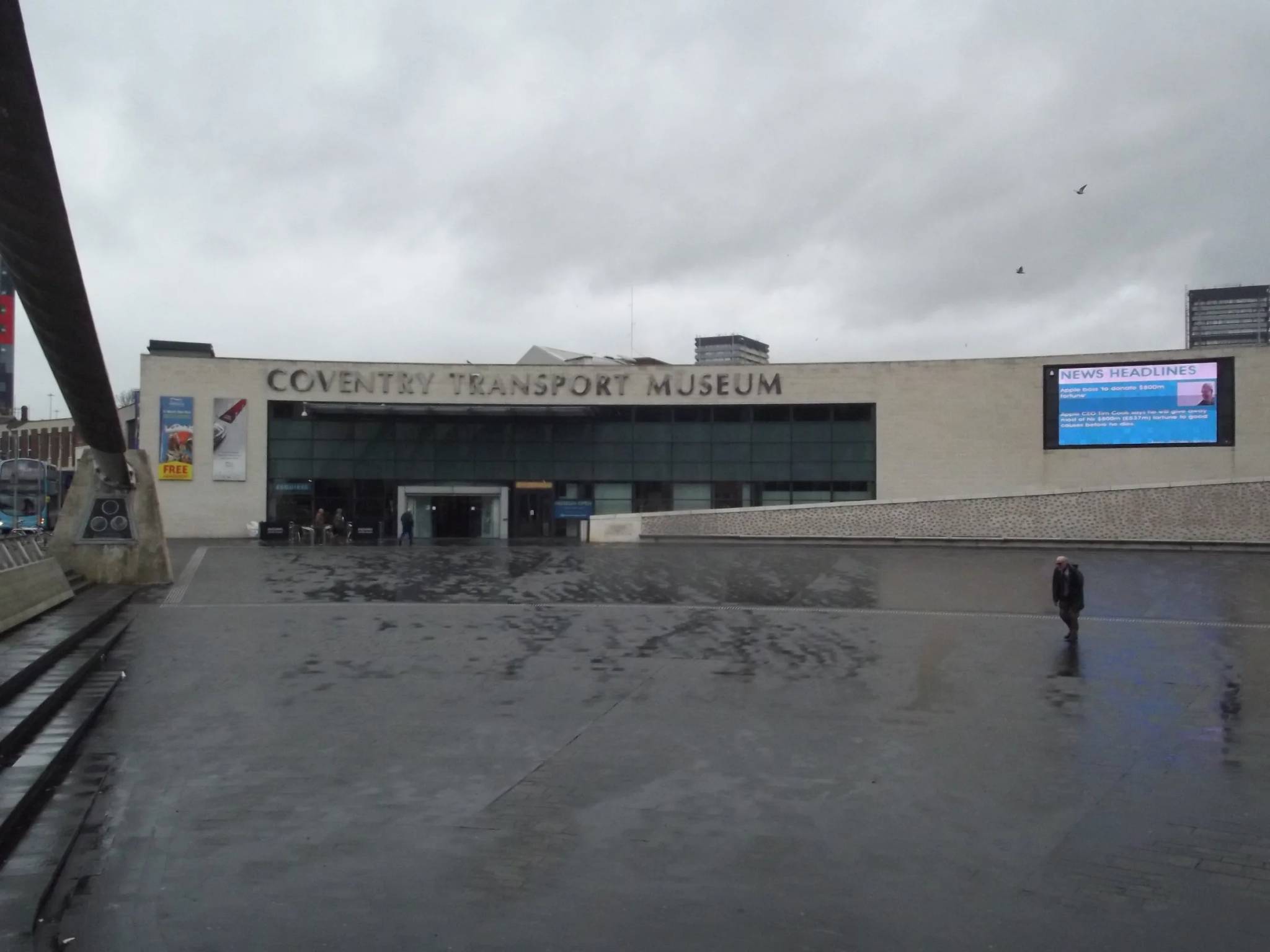
Thrust2, ThrustSSC and the Rover Safety Bicycle: a guide to Coventry Transport Museum and the industrial story its collection tells.
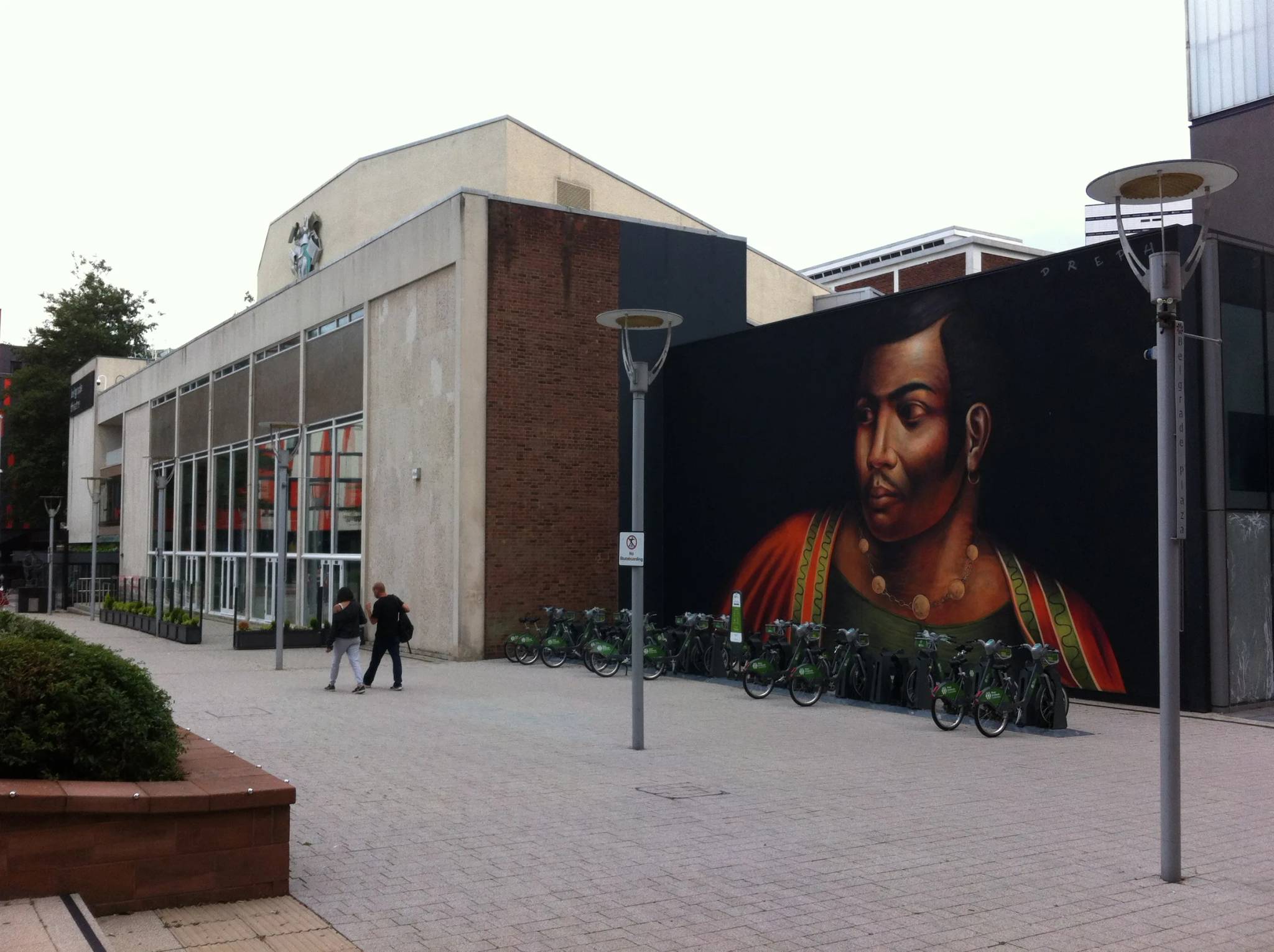
Coventry's civic theatre on Belgrade Square, opened in 1958 and named in honour of a gift of timber from the city of Belgrade.
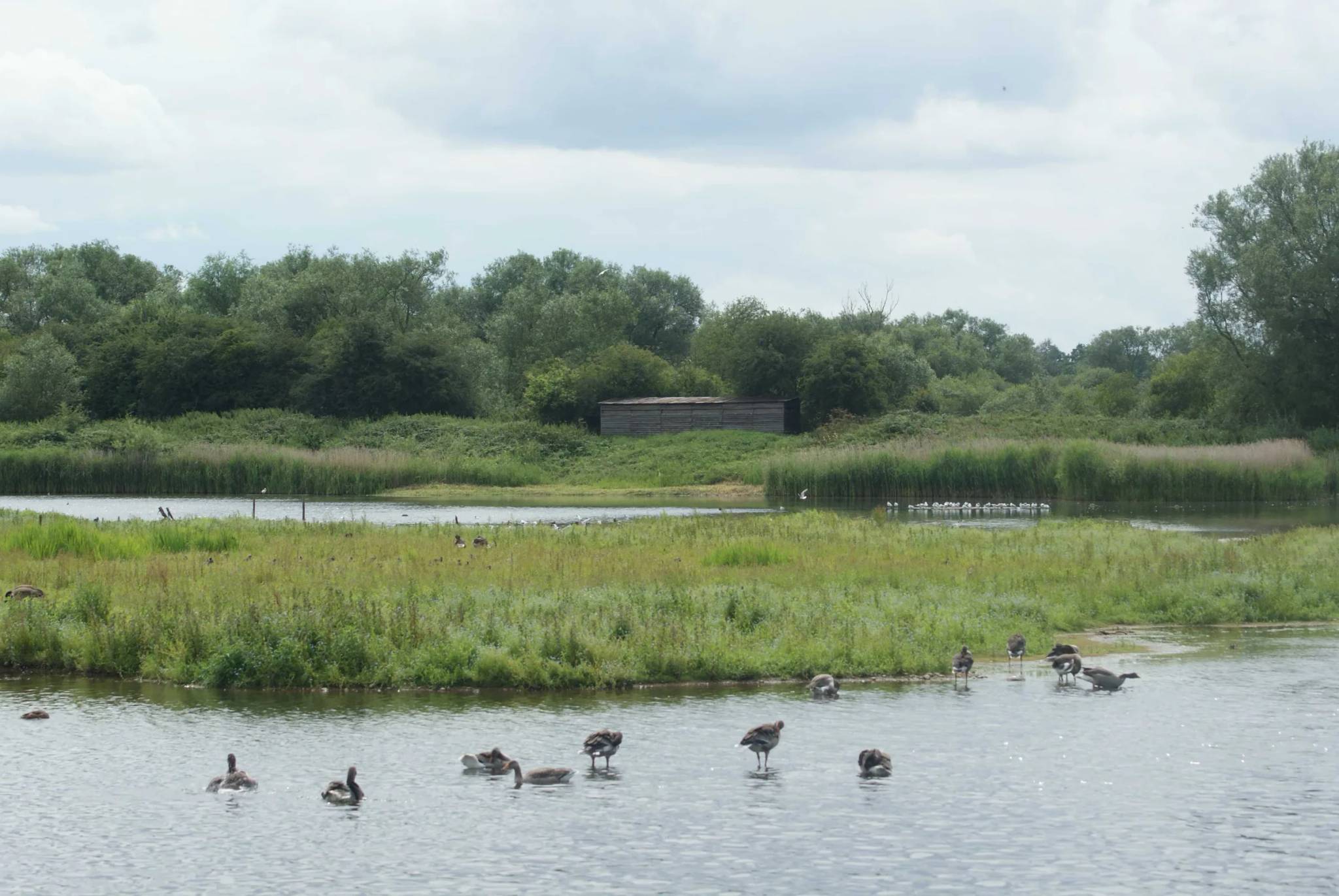
Warwickshire Wildlife Trust's wetland nature reserve on the south-eastern edge of Coventry, with pools, reedbeds, bird hides and a visitor centre.
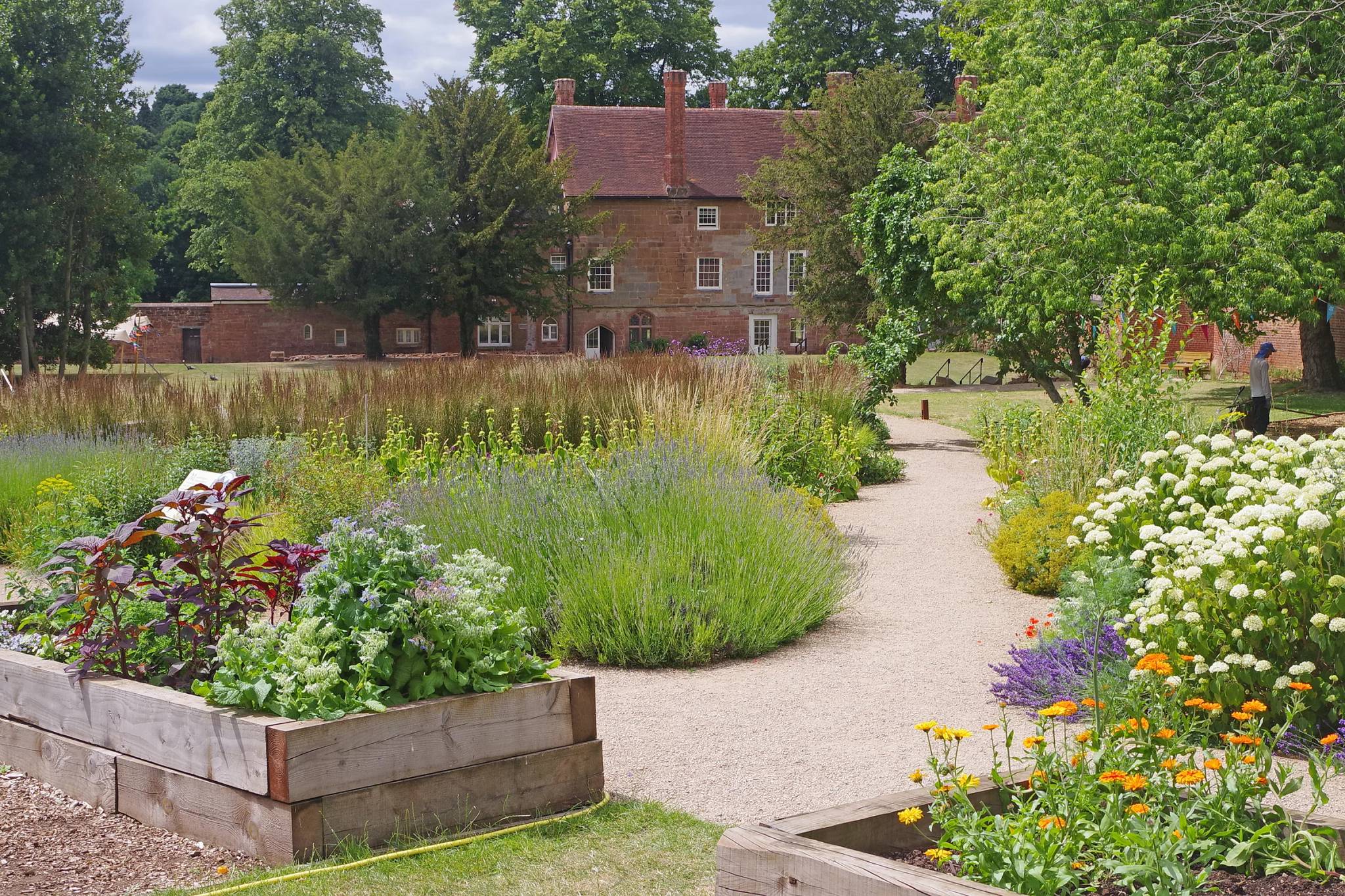
A restored medieval Carthusian priory on London Road, owned by Historic Coventry Trust and run day to day by the National Trust.
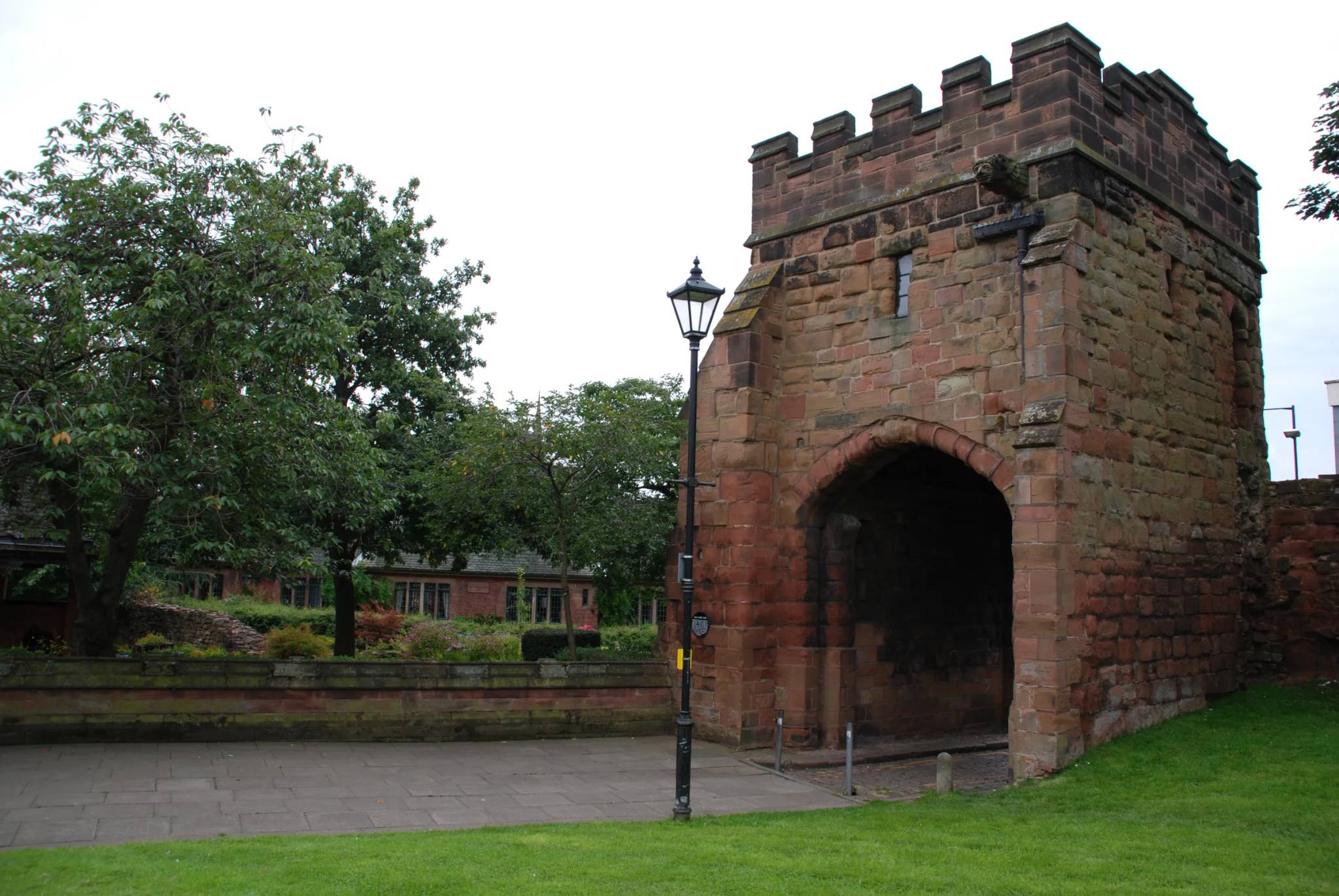
One of the two surviving gates of Coventry's medieval city wall, now restored as holiday accommodation.