
Lady Godiva and the story Coventry never stopped telling
A real 11th-century noblewoman, a legend first written down 200 years later and a bronze statue in Broadgate: how Godiva became Coventry's best-known face.
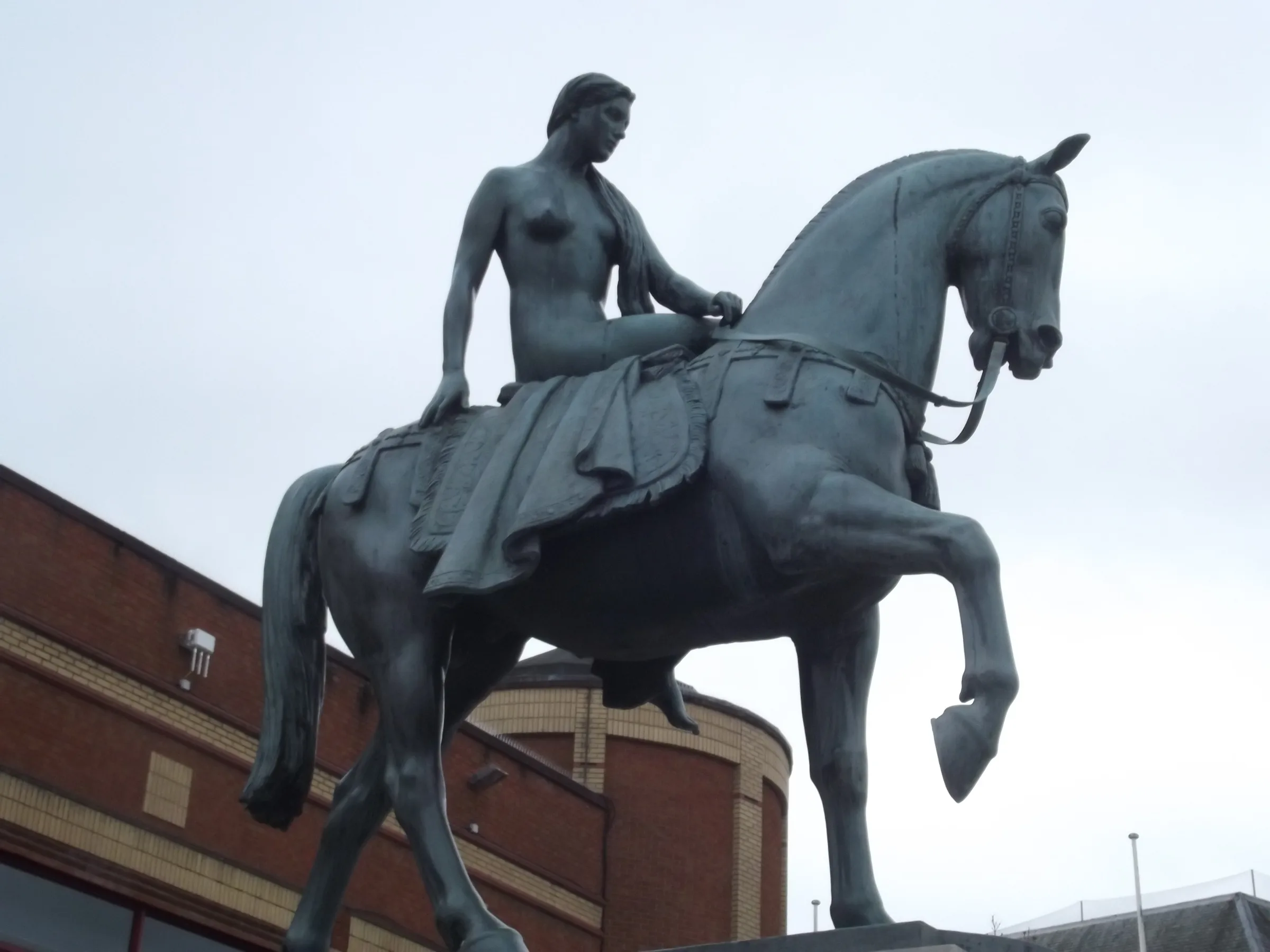
Godgifu, better known as Godiva, was a real person. She was the wife of Leofric, Earl of Mercia, one of the most powerful men in 11th-century England. In 1043 Leofric founded and endowed a Benedictine monastery at Coventry, and later chroniclers credited Godiva with persuading him to do it.
A legend written down later
The famous ride is another matter. The story that she rode naked through Coventry to persuade her husband to lift a heavy tax on the townspeople is first recorded in the 13th century, about 200 years after her death, in the Flores Historiarum and in Roger of Wendover's version of it.
The figure of Peeping Tom, the townsman who looked when everyone else had shut their windows, came much later. Published accounts of him date from the 18th century onwards.
Why the legend lasted
Whatever its origins, the story became part of the city's identity. Processions in Godiva's honour have been held in Coventry since the late 17th century and revived many times since.
Today Godiva rides through the city centre in bronze. The statue in Broadgate, Self Sacrifice by Sir William Reid Dick, was unveiled in 1949. Nearby is the Lady Godiva Clock. The Herbert Art Gallery & Museum has a permanent exhibition on Godiva and how her story has been told and retold.
Sources
- Lady Godiva
- Coventry history
- Broadgate
- Legends
From this story
Places & events mentioned
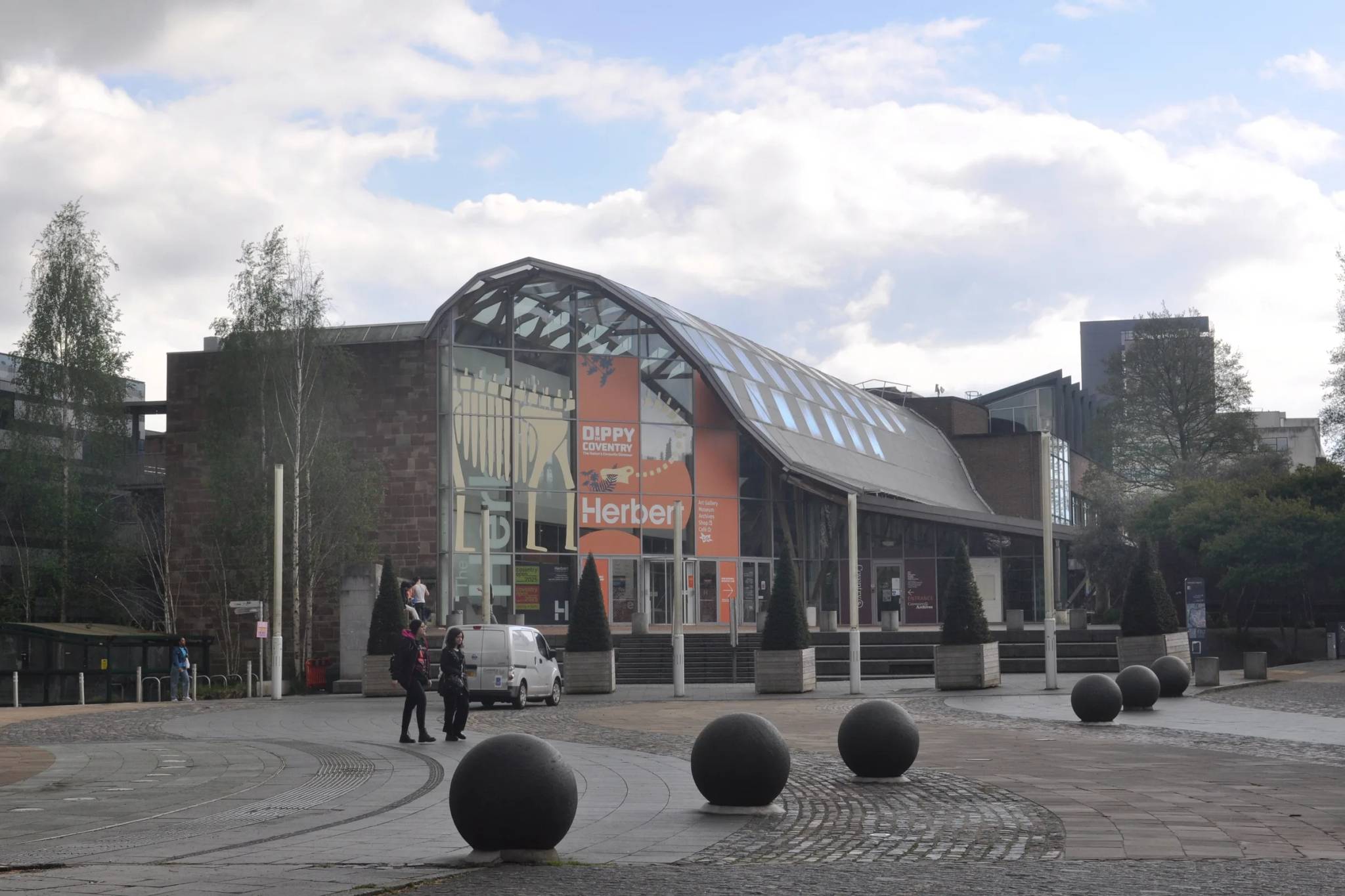
Herbert Art Gallery & Museum
Coventry's art gallery and museum in the cathedral quarter, opened in 1960 and named after the industrialist Sir Alfred Herbert.
Explore it with a guide
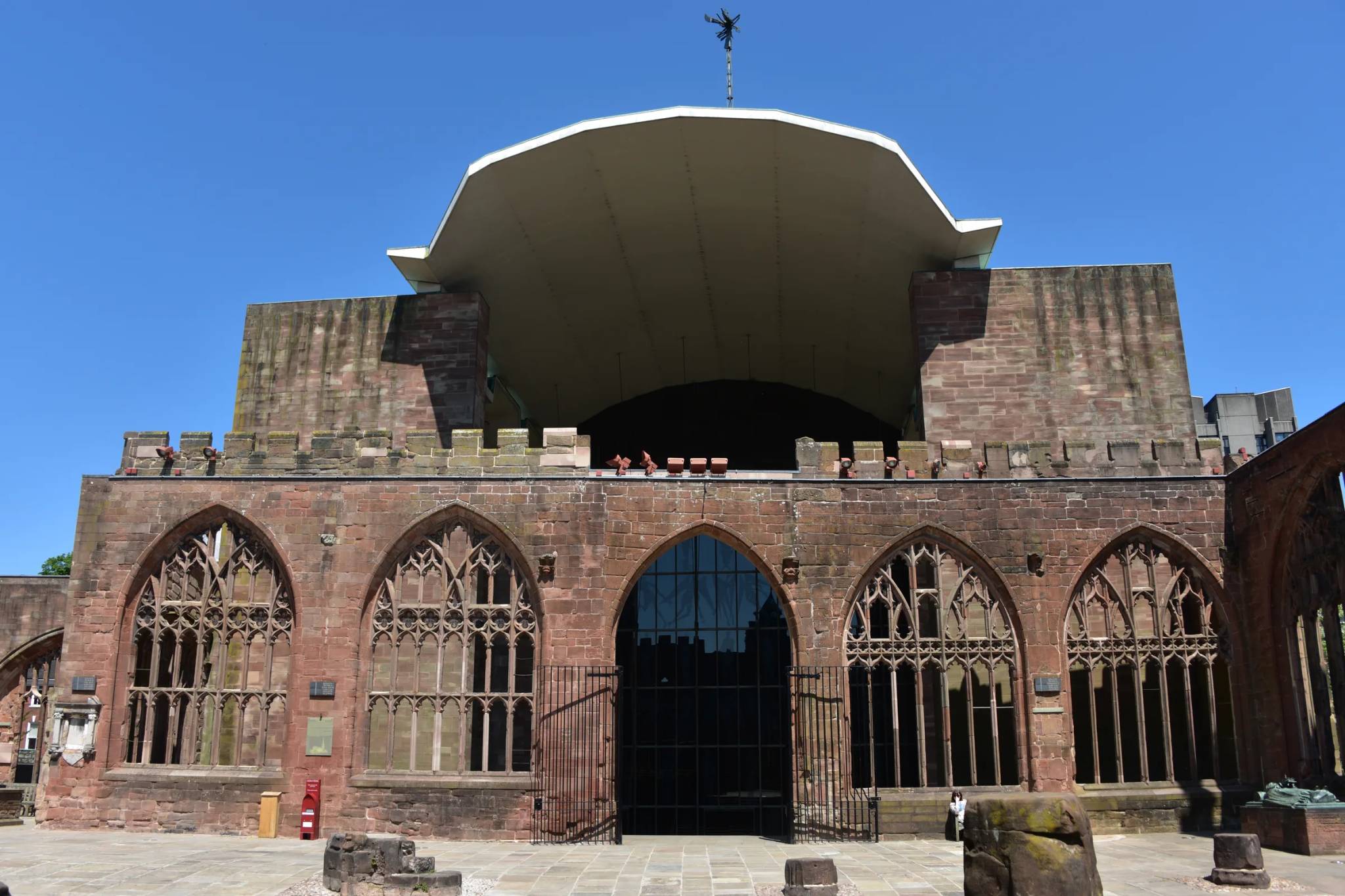
5 places
Coventry's Historic Heart
Explore Coventry's cathedral quarter, medieval streets and historic buildings through the places that tell the city's story.
Keep reading
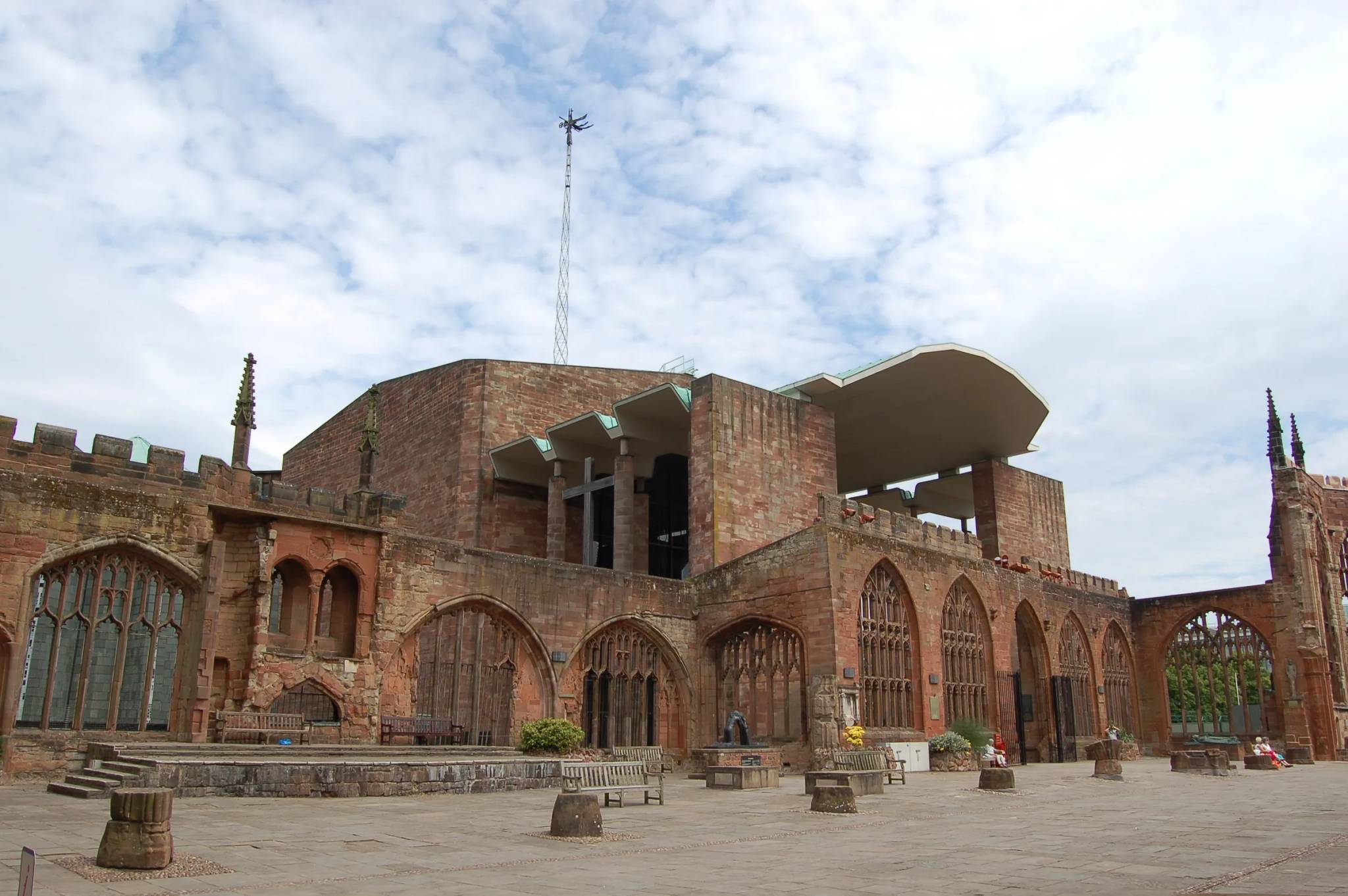
Two cathedrals, one story: how Coventry built its future beside its ruins
On the night of 14 November 1940 the medieval cathedral burned. What Coventry chose to do next still shapes how the city sees itself.
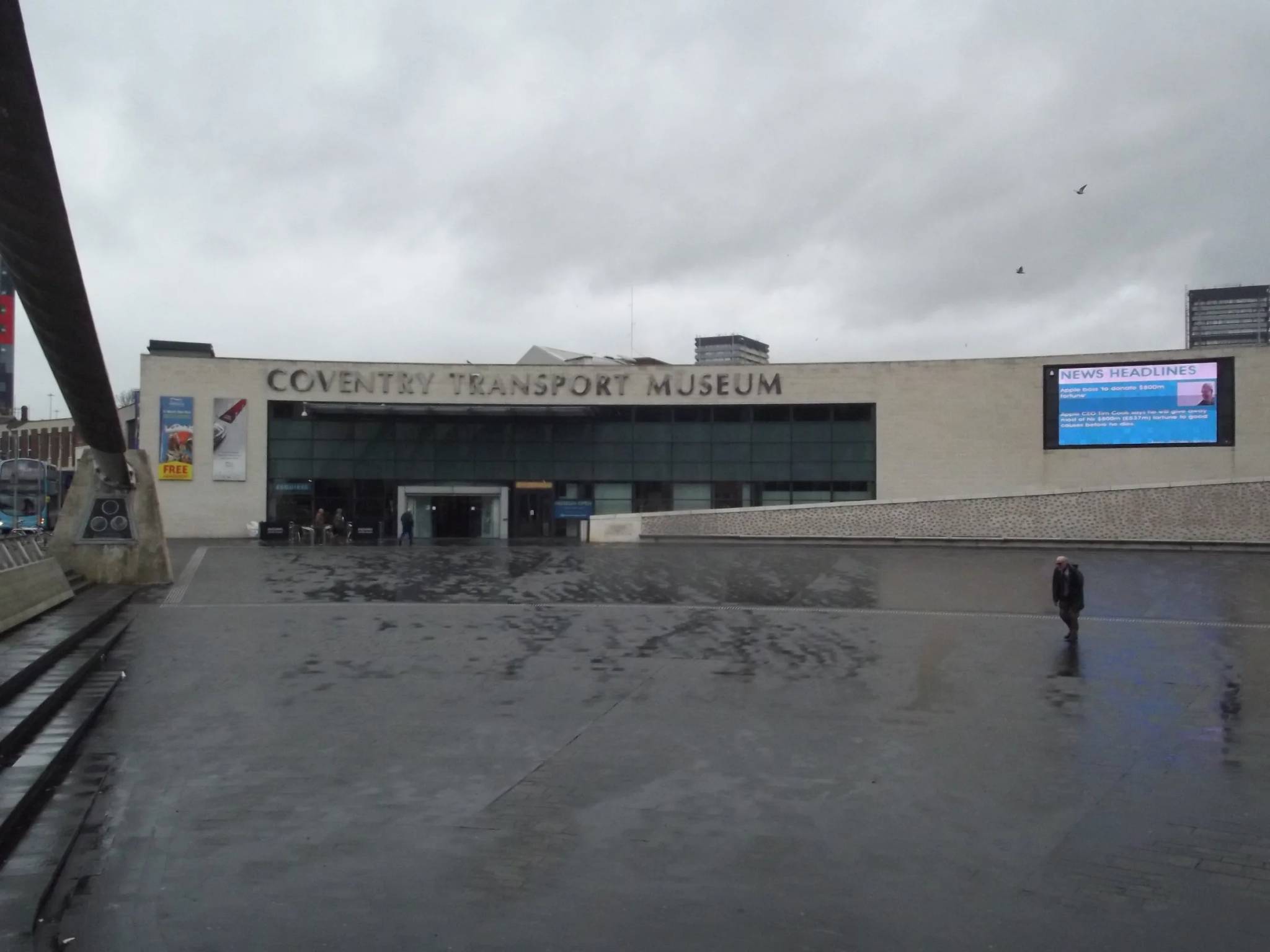
Coventry Transport Museum: Record Breakers, Bicycles and the City That Built Them
Thrust2, ThrustSSC and the Rover Safety Bicycle: a guide to Coventry Transport Museum and the industrial story its collection tells.
The city that twinned first: Coventry and the birth of modern twinning
In 1944 Coventry and Stalingrad formalised a wartime bond. The link helped inspire the modern idea of town twinning, and it is still visible in the city today.